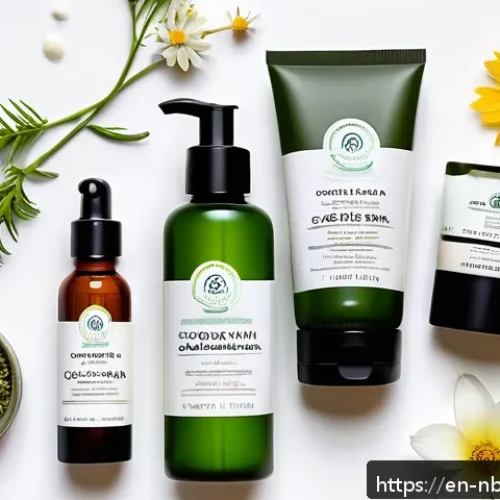
When it comes to skincare, the terms “natural cosmetics” and “organic cosmetics” often get tossed around interchangeably, but they actually represent different standards and ingredients.

Natural cosmetics typically emphasize ingredients derived from nature, though they might not always meet strict certification criteria. Organic cosmetics, on the other hand, must comply with rigorous regulations ensuring that their components are grown without synthetic pesticides or fertilizers.
Understanding these distinctions is key for making informed choices that truly benefit your skin and overall health. If you’ve ever wondered which one suits your skincare routine best, I’ve got you covered—let’s dive deeper and explore the real differences together!
Decoding Ingredient Origins: What’s Really Inside?
Where Natural Meets Nature
Natural cosmetics often highlight the use of ingredients sourced directly from plants, minerals, and other naturally occurring substances. However, this label doesn’t guarantee that every component is untouched by synthetic processes or chemicals.
For example, a natural skincare product might contain plant extracts combined with synthetic preservatives to ensure shelf life. From my experience, it’s refreshing to see brands focus on recognizable ingredients, but it’s wise to double-check ingredient lists, as “natural” can sometimes be a broad term that masks less desirable additives.
The Organic Gold Standard
Organic cosmetics take things a step further by adhering to strict farming and production regulations. This means the plants used are cultivated without synthetic pesticides, herbicides, or chemical fertilizers, often verified by third-party certifications.
When I switched to organic face creams, I noticed a difference in how my skin responded—less irritation and a more radiant glow, possibly because of fewer contaminants.
Organic products tend to be pricier, but their commitment to purity and environmental sustainability can justify the investment for many.
Understanding Labeling Nuances
One tricky aspect is that natural and organic labels aren’t always regulated uniformly worldwide. For instance, in the U.S., the USDA organic seal has rigorous criteria, while “natural” remains loosely defined.
This can confuse shoppers trying to make the healthiest choices. Learning to read beyond the buzzwords and looking for certifications or ingredient transparency helps.
I personally rely on brands that openly disclose sourcing and processing methods, which adds a layer of trust and confidence in what I’m putting on my skin.
Environmental Impact Beyond Your Vanity
Farming Practices and Their Footprint
Organic farming practices prioritize soil health, water conservation, and biodiversity, which significantly reduce environmental degradation. In contrast, some natural ingredients might still come from conventional farming, involving pesticides that harm ecosystems.
When I explored the origins of my skincare ingredients, it was eye-opening how much difference sustainable agriculture can make. Choosing organic cosmetics supports farmers who protect the planet, making your skincare routine a small but meaningful act of eco-consciousness.
Packaging and Sustainability
Interestingly, both natural and organic brands are increasingly embracing eco-friendly packaging. From biodegradable containers to reusable glass jars, the trend reflects a growing consumer demand for sustainability.
From my point of view, seeing a brand use recycled materials alongside organic certification elevates its credibility. It’s not just about what’s inside the bottle but how the whole product lifecycle affects the environment.
Animal Welfare and Ethical Choices
Many organic cosmetic brands also emphasize cruelty-free testing and ethical sourcing. While natural products might not always guarantee this, organic certifications often include animal welfare standards.
For animal lovers like me, this ethical dimension plays a crucial role in brand loyalty. Knowing that my moisturizer wasn’t tested on animals or harvested through exploitative labor practices makes the purchase more meaningful.
Skin Sensitivity and Effectiveness: What to Expect
Gentleness of Natural Ingredients
Natural cosmetics often appeal to those with sensitive skin because they avoid harsh synthetic chemicals. However, natural doesn’t always mean hypoallergenic—some botanical extracts can cause reactions depending on individual sensitivities.
I recall a friend who experienced redness from a “natural” rosehip oil product, which was surprising but a reminder that patch testing is essential. That said, many natural products feel soothing and less irritating than conventional formulas.
Potency and Preservation Challenges
Organic cosmetics sometimes face challenges in preservation because they avoid synthetic preservatives, which can limit product shelf life. This can affect potency over time.
From my experience using organic serums, I noticed they sometimes require refrigeration and careful storage to maintain efficacy. However, the trade-off is fewer chemical additives, which many find worth the extra care.
Balancing Act: What Works for You
Ultimately, the effectiveness of either natural or organic skincare depends on your skin type and concerns. Some people thrive on organic ingredients for clarity and nourishment, while others find natural products more affordable and gentle.
I recommend experimenting with both types to see which your skin loves most. Listening to your skin’s feedback is the best guide in this personal journey.
Certifications and What They Actually Mean
Recognizing Trusted Organic Seals
Organic certifications like USDA Organic, COSMOS Organic, and Ecocert provide assurance that products meet high standards. These seals require a minimum percentage of organic content and strict processing rules.
When I shop, spotting these logos instantly increases my trust in the product’s authenticity. It’s like a quality checkpoint that cuts through marketing fluff.
The Gray Area of “Natural” Certifications
Natural cosmetics lack a unified global certification, which means brands self-declare or follow varying criteria. Some might use certifications like NATRUE or the Natural Products Association, but these are less widespread.
This inconsistency can be frustrating. I always look for brands that explain their standards clearly and avoid vague claims like “100% natural” without proof.
How to Verify Claims

In today’s market, verifying claims requires a bit of detective work. Checking official certification websites, reading independent reviews, and scrutinizing ingredient lists are practical steps.
I’ve found apps and databases helpful for identifying suspicious ingredients or validating organic status. It’s empowering to shop informed rather than relying solely on catchy labels.
Price Points and Value Considerations
Why Organic Products Often Cost More
Organic cosmetics generally come with a higher price tag due to more expensive farming methods, certification processes, and limited scale production.
From personal experience, while it stings to pay more upfront, the quality and ethical factors often justify the cost. Also, organic products sometimes last longer because of their concentrated formulas, offsetting the price difference.
Natural Cosmetics and Budget-Friendly Options
Natural cosmetics can be more affordable and accessible, making them a popular choice for many skincare enthusiasts. I’ve tried several budget-friendly natural brands that deliver noticeable benefits without breaking the bank.
Just be cautious about ingredient quality and potential synthetic additives that can sneak in under the “natural” umbrella.
Investing Wisely in Your Skincare
Balancing price with quality and ethical considerations is key. Personally, I allocate more budget to staples like moisturizer and sunscreen, where ingredient purity matters most, and choose natural products for less critical items like body lotions.
This approach helps me maintain a skincare routine that’s effective, affordable, and aligned with my values.
Common Misconceptions and Truths Revealed
Natural Always Means Safe?
One common myth is that natural automatically equals safe, but this isn’t always true. Plants contain powerful compounds that can irritate or cause allergies.
I’ve learned to respect ingredient potency regardless of origin and never assume natural is gentler without testing.
Organic is Better for All Skin Types?
While organic products have many benefits, they aren’t a cure-all for every skin concern. For example, someone with acne-prone skin might benefit more from targeted synthetic actives than purely organic ingredients.
I’ve seen friends with oily skin prefer a mix of natural and conventional products tailored to their needs.
Labels Can Be Misleading
Marketing can blur lines between natural and organic, so skepticism is healthy. I always recommend consumers educate themselves and seek transparency from brands.
Real beauty comes from understanding what you’re applying and how it fits into your lifestyle.
Key Differences Summarized for Quick Reference
| Aspect | Natural Cosmetics | Organic Cosmetics |
|---|---|---|
| Ingredient Source | Derived from natural substances, but may include synthetics | Must contain certified organic ingredients grown without chemicals |
| Certification | No universal certification; varies by brand | Strict third-party certifications (USDA Organic, Ecocert, etc.) |
| Environmental Impact | Varies; may use conventional farming methods | Focus on sustainable, eco-friendly farming practices |
| Price | Generally more affordable | Often higher due to farming and certification costs |
| Skin Sensitivity | Generally gentle but can cause reactions | Usually purer, but requires careful preservation |
| Ethical Standards | Varies; not always cruelty-free or fair trade | Often includes cruelty-free and ethical sourcing |
글을 마치며
Understanding the difference between natural and organic cosmetics empowers you to make more informed skincare choices. While both offer unique benefits, paying attention to certifications, ingredient sources, and ethical standards ensures you get products that truly align with your values and skin needs. Ultimately, your skin’s health and environmental impact go hand in hand, so choose wisely for a radiant and responsible beauty routine.
알아두면 쓸모 있는 정보
1. Not all “natural” labels guarantee the absence of synthetic chemicals—always check the full ingredient list carefully.
2. Organic certifications like USDA Organic or Ecocert provide reliable assurance of farming and processing standards.
3. Sensitive skin can react even to natural ingredients; patch testing is essential before fully committing to a product.
4. Sustainable packaging choices are becoming a key part of both natural and organic brands’ commitment to the environment.
5. Balancing budget and product quality by mixing natural and organic products can optimize skincare results and cost-efficiency.
중요 사항 정리
Natural cosmetics may include synthetic additives and lack consistent certification, so transparency and ingredient scrutiny are crucial. Organic products, backed by strict third-party certifications, prioritize purity, environmental sustainability, and ethical practices but often come with higher prices and preservation challenges. Ultimately, the best choice depends on your skin type, ethical values, and willingness to invest time in understanding product origins and certifications for a healthier, more conscious skincare routine.
Frequently Asked Questions (FAQ) 📖
Q: What exactly makes a cosmetic product “natural” versus “organic”?
A: Natural cosmetics are made from ingredients found in nature, like plant extracts, minerals, and essential oils, but they don’t always follow strict rules about how those ingredients are grown or processed.
Organic cosmetics, however, must meet specific standards that guarantee their ingredients are grown without synthetic pesticides, fertilizers, or genetically modified organisms.
So, while all organic products are natural, not all natural products are organic. This distinction helps you understand the level of purity and environmental care behind your skincare choices.
Q: Are organic cosmetics always better for my skin compared to natural cosmetics?
A: Not necessarily. Organic cosmetics often have fewer synthetic chemicals, which can be gentler on sensitive skin and better for overall health. However, “better” depends on your skin type and concerns.
Some natural products, even if not certified organic, can be very effective and safe. I’ve noticed that sometimes a natural product with a well-formulated blend suits my skin better than a strict organic one, especially if it targets specific issues like dryness or acne.
The key is to check the ingredient list and see how your skin reacts rather than just relying on labels.
Q: How can I be sure a cosmetic product is truly organic or natural when shopping?
A: Look for trusted certifications like USDA Organic, COSMOS, or Ecocert on the packaging; these indicate that the product has been verified by a third party to meet organic standards.
For natural cosmetics, it’s trickier since there’s no universal certification, but brands that provide transparent ingredient lists and avoid synthetic additives are a good sign.
Also, reading reviews and trying samples can help you figure out if the product lives up to its claims. Personally, I always cross-check the brand’s website and third-party reviews before committing to a new skincare product.