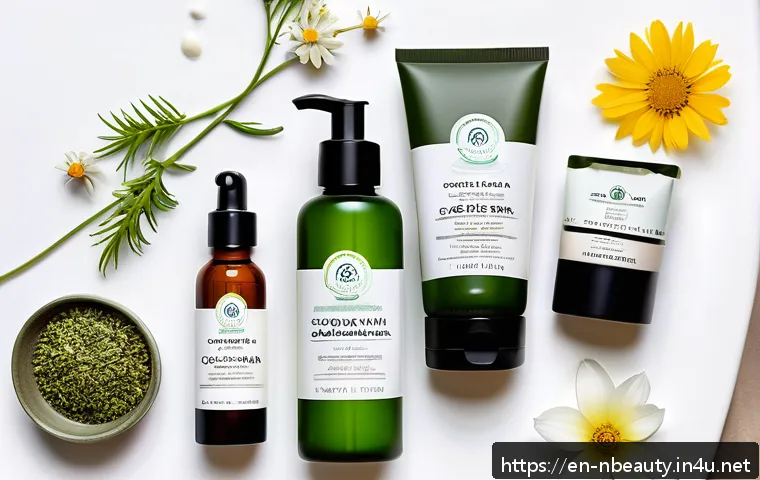
In recent years, the demand for natural cosmetics has surged as more people seek products free from harsh chemicals. However, just because a product is labeled “natural” doesn’t automatically guarantee its safety or effectiveness.
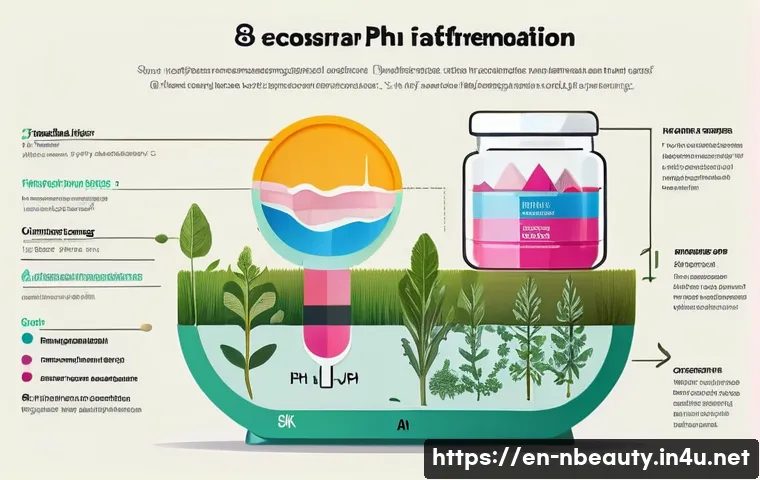
Understanding the stability and compatibility of natural ingredients is crucial to ensure that these products not only feel good but also protect your skin.
From potential allergens to how ingredients interact over time, there’s a lot beneath the surface that many overlook. If you’re curious about what makes natural cosmetics truly safe and reliable, let’s dive deeper into the details below.
Let me guide you through everything you need to know!
Understanding Ingredient Interactions in Natural Cosmetics
How Natural Ingredients React Over Time
When you grab a natural cosmetic product off the shelf, you might assume it’s stable and effective for months, but the reality is a bit more complex. Natural ingredients, unlike their synthetic counterparts, often come from plant extracts or oils that can degrade faster when exposed to air, light, or heat.
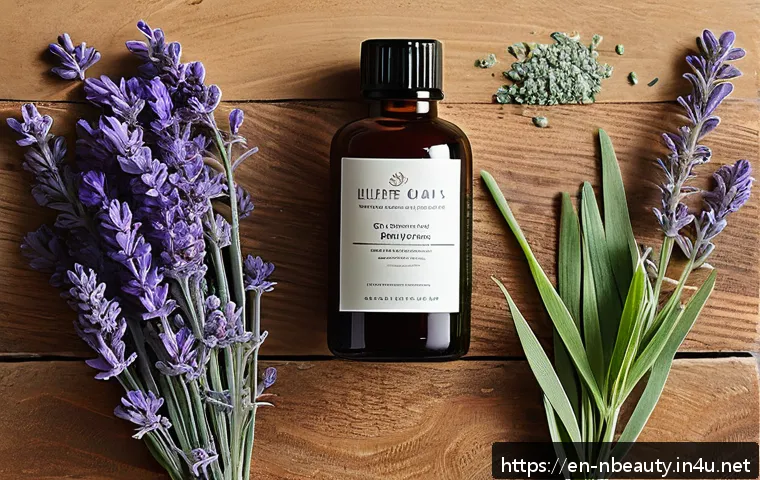
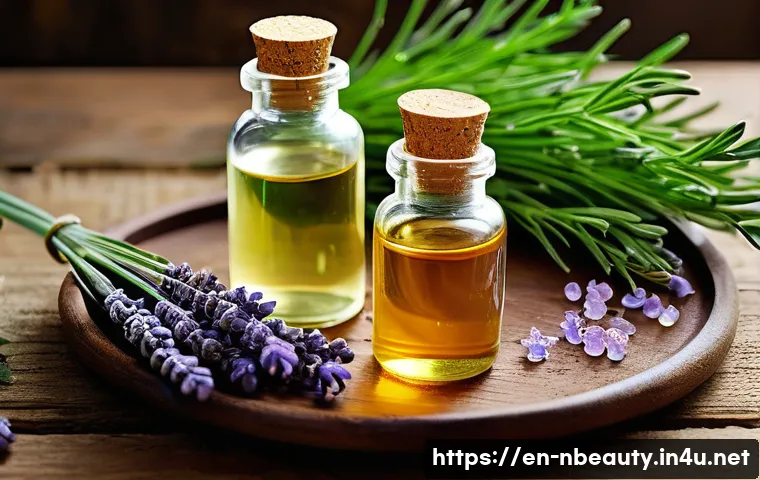
For instance, essential oils such as lavender or tea tree oil may lose their potency or even change in composition, which affects both the fragrance and the product’s efficacy.
I’ve noticed that some natural creams start to separate or develop an off smell after a couple of months if not stored properly. This is because the delicate balance of fats, water, and botanical extracts can break down without preservatives or stabilizers, which many natural brands try to avoid.
So, it’s essential to pay attention to expiration dates and storage recommendations, or better yet, choose products with added natural antioxidants like vitamin E to help extend shelf life.
Common Compatibility Issues Between Ingredients
One tricky part about natural cosmetics is that not all plant-based ingredients play nicely together. For example, combining citrus extracts with certain essential oils can lead to skin irritation or photosensitivity, which means your skin becomes more prone to sunburn.
I learned this the hard way when I used a homemade facial toner with lemon and peppermint oil—it looked refreshing but left my skin red and itchy after sun exposure.
Some natural ingredients also have different pH levels, and mixing them without proper formulation can cause the product to become unstable or less effective.
It’s not just about the individual ingredients, but how they interact within the formula. Brands that invest in rigorous testing and use ingredient synergy to their advantage tend to produce safer, longer-lasting products.
Preventing Allergic Reactions with Natural Ingredients
Just because something is natural doesn’t mean it’s hypoallergenic. Many plant extracts contain compounds that can trigger allergic responses in sensitive individuals.
For example, chamomile and calendula are soothing for many, but they belong to the daisy family and can cause reactions in people allergic to ragweed.
Personally, I always patch test new natural products to avoid unpleasant surprises like itching or swelling. It’s also worth noting that natural fragrances derived from essential oils can be more irritating than synthetic scents, especially if used in high concentrations.
To minimize risk, look for products that clearly list all botanical ingredients and opt for those formulated specifically for sensitive skin if you’re prone to allergies.
Preservation Challenges and Solutions in Natural Formulations
Why Preserving Natural Products is Difficult
Preserving natural cosmetics is a balancing act. Traditional preservatives like parabens or formaldehyde releasers are often avoided by natural brands due to consumer demand for “clean” labels.
However, without effective preservation, natural products can become breeding grounds for bacteria, yeast, and mold, which not only ruin the product but can cause skin infections.
I’ve found that some natural brands use alternatives such as rosemary extract, grapefruit seed extract, or fermented ingredients to extend shelf life, but these are usually less potent than synthetic preservatives and require careful formulation.
This means that natural cosmetics often have shorter shelf lives and may require refrigeration after opening, something many consumers overlook.
Innovative Natural Preservatives on the Rise
The good news is that formulators have been developing innovative natural preservatives that maintain product integrity without harsh chemicals. Ingredients like Leuconostoc/Radish Root Ferment Filtrate, derived from radish roots fermented with beneficial bacteria, offer antimicrobial protection.
Another emerging preservative is Caprylyl Glycol, which helps inhibit microbial growth while moisturizing the skin. From my experience, products containing these newer natural preservatives tend to feel fresher longer and don’t irritate my skin as much as older formulas.
Still, these solutions require precise manufacturing conditions and can increase costs, which explains why some budget natural products might compromise on preservation quality.
Tips for Consumers to Ensure Safety
If you want to get the most out of your natural cosmetics without risking skin problems, here are some practical tips: First, always store products in cool, dry places away from direct sunlight.
Second, avoid introducing bacteria by using clean hands or applicators instead of dipping fingers directly into jars. Third, pay attention to changes in texture, smell, or color, as these often indicate spoilage.
Lastly, check for certifications like ECOCERT or COSMOS that indicate a product has met certain natural and safety standards. Personally, I’ve found that following these simple habits has saved me from wasting money on products that spoiled too quickly or caused irritation.
The Role of pH Balance in Natural Skincare
Why pH Matters for Your Skin and Products
The pH level of a cosmetic product is a crucial factor that’s often overlooked, especially with natural items. Our skin’s natural pH is slightly acidic, usually around 4.5 to 5.5, which helps maintain the skin barrier and prevent harmful bacteria from taking hold.
If a product’s pH is too high (alkaline) or too low (acidic), it can disrupt this balance, leading to dryness, irritation, or breakouts. I’ve noticed that some natural soaps or cleansers with high pH levels leave my skin feeling tight and uncomfortable, even though they’re marketed as gentle.
It’s important for natural cosmetics to be formulated with a skin-friendly pH to protect and support the skin’s ecosystem.
Adjusting pH in Natural Formulas
Formulating natural cosmetics with the right pH requires skill because many botanical extracts have inherent acidity or alkalinity. Ingredients like aloe vera gel and green tea extract tend to be mildly acidic, which is beneficial, whereas others like baking soda or clay can raise the pH.
Manufacturers often use natural acids such as citric acid or lactic acid to adjust the final product’s pH to match skin’s ideal range. From my observations, well-formulated natural products clearly state their pH on the packaging or website, which is a good sign of transparency and quality control.
If you have sensitive skin, choosing products within the 4.5-6 pH range can make a noticeable difference in comfort and results.
Impact on Product Performance and Skin Health
Maintaining an optimal pH doesn’t just improve comfort; it also enhances the performance of active ingredients. For example, vitamin C derivatives work best in acidic environments, while certain enzymes require a neutral pH to function properly.
When the pH is off, these actives may degrade or become ineffective. In my own skincare routine, switching to natural products with balanced pH improved my skin’s texture and reduced redness significantly.
This is because a balanced pH supports the skin’s natural exfoliation process and microbial flora, which are essential for healthy, glowing skin.
Identifying and Managing Common Allergens in Nature-Based Products
Frequent Allergens Found in Natural Ingredients
It’s ironic, but natural cosmetics can sometimes trigger allergies just as much as synthetic ones. Common culprits include essential oils like cinnamon, clove, and eucalyptus, which contain compounds that can provoke contact dermatitis.
Nuts and seed oils, such as almond or sesame oil, may also cause reactions in people with nut allergies. Fragrance components derived from flowers like jasmine or ylang-ylang are known to cause sensitivities as well.
I recall trying a natural perfume that contained ylang-ylang and ended up with itchy patches on my neck—a clear sign that even “green” products need caution.
How to Spot Allergens on Ingredient Lists
Reading ingredient lists carefully is a must if you want to avoid allergic reactions. Unlike synthetic fragrances, natural products often list each botanical component explicitly, which can be helpful if you know your triggers.
However, some essential oils are listed under umbrella terms like “fragrance” or “parfum,” which can be confusing. I’ve found it helpful to cross-reference ingredient lists with allergy databases or consult with dermatologists when trying new products.
Patch testing a small amount on your inner arm for 24-48 hours before full use is another practical step to catch potential allergies early.
Strategies to Minimize Allergic Risks
If you have sensitive skin or known allergies, choosing products labeled “hypoallergenic” or “dermatologist tested” is a safer bet, although these terms are not strictly regulated.
Opting for formulations with fewer ingredients and avoiding known irritants like synthetic dyes or alcohol can also help. Personally, I prefer products with soothing ingredients like oat extract, chamomile (if not allergic), or calendula, which tend to calm rather than provoke the skin.
Keeping a skincare diary to track reactions can also help identify problematic ingredients over time.
Natural Cosmetic Ingredients and Their Environmental Stability
How Environmental Factors Affect Product Integrity
Natural cosmetics are especially sensitive to environmental factors like temperature, humidity, and light exposure. For example, high temperatures can accelerate the oxidation of oils, causing rancidity and loss of beneficial fatty acids.
Humidity can promote microbial growth if the product is not sealed properly, while UV light can degrade certain vitamins and pigments. I’ve stored a natural sunscreen in a hot car once and noticed it separated and smelled off the next day, which confirmed how crucial storage is.
This sensitivity means that natural cosmetics often come in dark or opaque packaging to protect from light, and sometimes require refrigeration to maintain freshness.
Packaging Innovations to Protect Natural Products
To combat environmental challenges, many brands are adopting innovative packaging solutions. Airless pumps and tubes minimize exposure to air and contaminants, which helps maintain ingredient stability.
Glass bottles with UV protection coatings are preferred over plastic to prevent light-induced degradation. I’ve personally switched to airless pump bottles for my favorite serums and noticed they last significantly longer without changes in scent or texture.
While such packaging can raise costs, it’s often worth it for the added protection and longer shelf life.
Balancing Sustainability with Stability
One of the dilemmas in natural cosmetics is balancing eco-friendly packaging with the need to protect delicate ingredients. Many consumers want recyclable or biodegradable containers, but these materials may not always provide the best barrier against air or moisture.
Brands that invest in sustainable yet protective packaging, like glass with recycled materials or compostable pouches with barrier layers, tend to stand out in the market.
From what I’ve seen, transparency about packaging choices and storage recommendations helps consumers use products optimally while supporting environmental goals.
Comparing Stability Factors of Common Natural Ingredients
| Ingredient | Stability Concerns | Common Interactions | Preservation Tips |
|---|---|---|---|
| Essential Oils (e.g., Lavender, Tea Tree) | Oxidation, volatilization, photosensitivity | Can irritate skin when combined with citrus extracts; sensitive to heat and light | Store in dark, cool places; include antioxidants like vitamin E |
| Plant Oils (e.g., Jojoba, Argan) | Rancidity due to oxidation | Generally stable but may separate in emulsions if pH is off | Use airtight packaging; add natural preservatives |
| Botanical Extracts (e.g., Green Tea, Chamomile) | Degradation of active compounds | May alter pH; possible allergen for sensitive individuals | Maintain pH balance; patch test recommended |
| Natural Preservatives (e.g., Rosemary Extract) | Less potent than synthetic; variable antimicrobial spectrum | May interact with other antioxidants; effectiveness depends on formulation | Combine with other natural preservatives; store properly |
| Natural Acids (e.g., Citric Acid, Lactic Acid) | pH alteration; potential skin irritation if overused | Boosts preservative efficiency; may destabilize some emulsions | Careful formulation; use within recommended concentrations |
Conclusion
Understanding how natural cosmetic ingredients interact and change over time is essential for choosing and using products effectively. Proper storage, awareness of ingredient compatibility, and attention to preservation can significantly impact product safety and performance. By staying informed and mindful, you can enjoy the benefits of natural skincare while minimizing risks.
Useful Information to Keep in Mind
1. Always store natural cosmetics in cool, dark places to slow down ingredient degradation and extend shelf life.
2. Patch test new products, especially those containing essential oils or botanical extracts, to avoid allergic reactions.
3. Look for products with natural antioxidants like vitamin E to help preserve freshness without harsh chemicals.
4. Choose packaging such as airless pumps or UV-protected glass to protect sensitive ingredients from environmental damage.
5. Pay attention to product pH levels and select formulations suited to your skin type for optimal results and comfort.
Key Takeaways
Natural cosmetics require careful consideration of ingredient interactions, preservation methods, and environmental factors to maintain safety and effectiveness. Consumers should be proactive in storing products correctly, understanding potential allergens, and selecting items with transparent ingredient lists and proven natural preservatives. Proper formulation and packaging are crucial in balancing sustainability with product stability, ensuring that natural skincare delivers both beauty and health benefits without compromise.
Frequently Asked Questions (FAQ) 📖
Q: Are natural cosmetics always safer than conventional products?
A: Not necessarily. While natural cosmetics often avoid synthetic chemicals, they can still contain ingredients that cause allergies or skin irritation. For example, essential oils and botanical extracts, although natural, may trigger reactions in sensitive skin.
It’s important to check the ingredient list carefully and patch-test new products before fully incorporating them into your routine. Safety depends on both the formulation and your individual skin type, not just the “natural” label.
Q: How can I tell if natural ingredients in cosmetics remain stable and effective over time?
A: Stability in natural cosmetics can be tricky because many natural ingredients are prone to oxidation or degradation, which can reduce their effectiveness or even cause irritation.
Look for products that include natural preservatives or antioxidants like vitamin E, which help maintain ingredient integrity. Also, packaging matters—air-tight, opaque containers can protect sensitive ingredients from light and air exposure.
If a product changes color, smell, or texture, it’s a sign it may have lost stability and should be used with caution.
Q: Can natural cosmetics cause allergic reactions or skin sensitivity?
A: Yes, they can. Natural doesn’t always mean hypoallergenic. Ingredients like fragrances, certain plant extracts, and essential oils are common allergens.
Even if a product is labeled “natural,” it’s wise to perform a patch test on a small skin area before applying it widely. If you have known allergies or very sensitive skin, consult with a dermatologist to identify ingredients you should avoid.
Being informed helps you enjoy natural products safely without compromising your skin’s health.