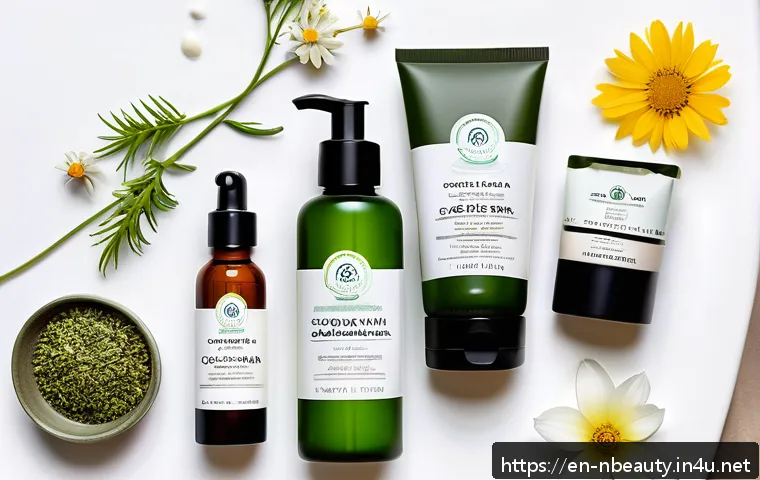
Lately, the beauty world has been buzzing about the power of natural ingredients in skincare, and for good reason. As more people seek clean, effective solutions, understanding what goes into these formulations becomes essential.

Whether you’re a skincare newbie or a seasoned enthusiast, knowing the key components can transform your routine. I’ve personally explored countless products and found that the right natural blend not only nourishes but truly revitalizes the skin.
Let’s dive into the fascinating world of nature’s finest ingredients and uncover what makes them so impactful in modern skincare. This journey might just change how you view your daily regimen.
Unlocking the Secrets of Plant-Based Potency
The Role of Antioxidants in Skin Defense
Antioxidants are like the bodyguards for your skin cells, fending off damage from free radicals caused by pollution, UV rays, and everyday stress. Ingredients such as green tea extract, vitamin C, and resveratrol are well-known for their antioxidant properties.
From my personal experience, incorporating antioxidant-rich serums into my routine made a noticeable difference in skin brightness and resilience within a few weeks.
These natural compounds work deep within the skin to slow aging signs and protect the skin’s integrity, which synthetic alternatives often fail to do as gently.
For anyone struggling with dullness or early wrinkles, antioxidants are a must-have for long-term skin health.
Hydration from Nature’s Best Sources
Hydration isn’t just about water; it’s about locking moisture in and maintaining the skin barrier. Ingredients like aloe vera, hyaluronic acid derived from natural fermentation, and rose water provide intense hydration without clogging pores.
I remember switching to an aloe-infused moisturizer during dry winter months, and the difference was immediate—my skin felt plumper and softer without any heavy residue.
These natural hydrators also soothe irritation, making them perfect for sensitive skin types. What’s impressive is how these ingredients enhance the skin’s natural ability to retain moisture rather than simply coating it.
Soothing Botanicals for Sensitive Souls
If your skin tends to flare up or feels easily irritated, natural calming agents can be game-changers. Chamomile, calendula, and oat extracts are some of the gentle ingredients that calm redness and reduce inflammation.
After trying several products with these botanicals, I noticed reduced redness and a more balanced complexion, especially after long days in the sun or harsh weather.
These ingredients provide a comforting effect that synthetic anti-inflammatories often lack, making them essential for anyone prone to sensitivity or rosacea.
How Natural Oils Nourish and Repair
Fatty Acids: The Building Blocks of Healthy Skin
Natural oils like argan, jojoba, and marula are packed with essential fatty acids that repair the skin’s barrier and promote elasticity. I’ve found that adding a few drops of these oils to my nighttime routine drastically improved my skin texture and reduced dryness patches.
Unlike mineral oils or silicones, these plant-based oils absorb quickly and support the skin’s natural lipid layer, creating a protective shield against moisture loss and environmental aggressors.
Balancing Act: Oils for Oily and Acne-Prone Skin
It’s a common misconception that oily skin shouldn’t use oils. In reality, lightweight oils such as squalane and grapeseed can regulate sebum production and reduce breakouts.
When I experimented with squalane oil, my skin felt less greasy throughout the day and breakouts diminished. These oils are non-comedogenic and offer anti-inflammatory benefits, making them a perfect match for those battling acne without stripping the skin of essential moisture.
The Antimicrobial Benefits of Essential Oils
Certain essential oils like tea tree and lavender have natural antimicrobial properties that can help with blemishes and skin infections. I’ve personally used tea tree oil spot treatments during flare-ups, and the results were impressive—faster healing and less irritation.
However, it’s important to dilute essential oils properly to avoid sensitivity. When used correctly, they are powerful tools in natural skincare arsenals for maintaining clear and healthy skin.
Nature’s Exfoliators: Gentle Yet Effective Renewal
Enzymatic Peels from Fruits
Fruits like papaya, pineapple, and pumpkin contain natural enzymes that dissolve dead skin cells without harsh scrubbing. I’ve tried papaya enzyme masks that left my skin feeling smooth and radiant without any redness or tightness.
These exfoliators are ideal for sensitive skin or those who want a gentle alternative to chemical peels. Regular use promotes cell turnover and a fresh complexion by gently encouraging the skin to shed dull layers.
Plant-Based Acids for Controlled Exfoliation
Alpha hydroxy acids (AHAs) such as glycolic and lactic acid are often derived from sugar cane or milk, offering a natural source of exfoliation. I found that lactic acid serums improved my skin’s texture and minimized pores without irritation.
These acids work by loosening the bonds between dead skin cells, revealing brighter, smoother skin underneath. For those new to exfoliation, starting with plant-based AHAs can provide effective results with less risk of sensitivity.
Physical Exfoliants with a Soft Touch
Some natural exfoliants use finely ground particles like oatmeal, rice powder, or walnut shells to buff away dead skin. I prefer oatmeal scrubs because they exfoliate while simultaneously soothing, making them perfect for dry or irritated skin.
The key is gentle application to avoid microtears, and natural physical exfoliants often have that soft texture which synthetic scrubs miss. When used correctly, they refresh the skin’s surface and enhance absorption of moisturizers.
Botanical Boosters for Targeted Skin Concerns
Brightening Agents from Nature
Ingredients like licorice root extract, niacinamide derived from natural sources, and bearberry can help fade dark spots and even out skin tone. I noticed significant improvements in hyperpigmentation after consistent use of a licorice-infused serum.
These botanicals inhibit melanin production and reduce discoloration gently, without the harsh side effects of some chemical brighteners. For anyone seeking a more radiant complexion, these natural brighteners are a smart choice.
Anti-Aging Wonders in Plant Extracts
Peptides from plants, along with collagen-stimulating ingredients like centella asiatica and gotu kola, have shown promising anti-aging effects. After trying a cream enriched with centella asiatica, my skin felt firmer and more supple over several weeks.
These compounds promote collagen synthesis and repair, targeting fine lines and sagging skin in a holistic way. Unlike synthetic peptides, plant-derived boosters often come with additional antioxidants and soothing properties.

Calming and Repairing Damaged Skin
For skin that has been stressed by environmental factors or treatments like retinol, natural repair agents such as allantoin, panthenol, and madecassoside are invaluable.
I’ve used panthenol-rich formulas to help recover from irritation, and the soothing effect was almost immediate. These ingredients accelerate healing and reduce redness, making them a staple for anyone undergoing skin barrier repair or dealing with sensitivity.
The Science Behind Natural Preservatives and Stability
Keeping Formulas Fresh Without Harsh Chemicals
Natural skincare requires careful preservation to prevent contamination while avoiding synthetic preservatives. Ingredients like rosemary extract, grapefruit seed extract, and certain essential oils serve as natural antimicrobials.
I’ve noticed that products using these natural preservatives tend to have a shorter shelf life but feel cleaner and more skin-friendly. Understanding how these work helps consumers choose formulas that balance safety with natural purity.
Packaging and Formulation Techniques Matter
Airless pumps, dark glass bottles, and airtight containers play a crucial role in maintaining the integrity of natural ingredients. I’ve found that products packaged this way retain their potency longer and deliver better results.
Formulators also use techniques like cold processing to preserve sensitive actives. This combination of smart packaging and formulation preserves the efficacy of natural skincare, an aspect often overlooked by consumers.
Recognizing Quality and Authenticity
Not all natural ingredients are created equal—source, extraction method, and concentration matter greatly. Personally, I’ve learned to look for certifications and transparent ingredient lists to ensure I’m getting genuine botanical benefits.
High-quality natural extracts are more potent and less likely to cause irritation, delivering real results rather than just marketing hype. Being informed empowers you to make smarter choices in your skincare purchases.
Natural Ingredients Table: Benefits and Usage
| Ingredient | Main Benefit | Ideal Skin Types | Typical Form | Personal Tip |
|---|---|---|---|---|
| Green Tea Extract | Antioxidant, anti-inflammatory | All skin types, especially sensitive and aging | Serums, toners | Use daily for protection against environmental damage |
| Aloe Vera | Hydration, soothing | Dry, irritated, sensitive | Gels, moisturizers | Great for calming sunburn or redness |
| Argan Oil | Moisturizing, barrier repair | Dry, normal, mature | Facial oils, creams | Apply at night to lock in moisture |
| Papaya Enzymes | Gentle exfoliation | All skin types, sensitive | Masks, peels | Use weekly to brighten dull skin |
| Licorice Root Extract | Brightening, pigmentation reduction | Hyperpigmented, uneven skin tone | Serums, creams | Consistent use yields best results |
| Tea Tree Oil | Antimicrobial, acne-fighting | Oily, acne-prone | Spot treatments, cleansers | Dilute before applying to avoid irritation |
Integrating Natural Ingredients for Maximum Effect
Layering Actives Without Overload
Combining natural ingredients effectively requires understanding their interactions. For example, pairing vitamin C with hyaluronic acid can amplify brightening and hydration, while mixing tea tree oil with gentle moisturizers calms acne without drying out the skin.
From trial and error, I’ve learned that layering light, water-based serums before heavier oils or creams helps absorption and prevents pilling. This method maximizes the benefits of each component without overwhelming the skin.
Customizing Your Routine Seasonally
Skin’s needs change with the seasons, and natural ingredients allow for flexible adjustments. In winter, richer oils and heavier hydration are essential, whereas summer calls for lightweight antioxidants and soothing botanicals to combat sun exposure.
I switch to aloe vera gels and antioxidant mists in warmer months and rely on nourishing oils and enzyme masks when it’s colder. This seasonal approach keeps my skin balanced year-round and prevents common issues like dryness or breakouts.
Trusting Your Skin’s Feedback
No matter how potent or natural an ingredient is, your skin’s response is the ultimate guide. I always patch-test new products and introduce one at a time to monitor effects.
If irritation occurs, scaling back or switching ingredients helps avoid setbacks. Listening to your skin and adjusting accordingly is key to building a sustainable, effective natural skincare routine that delivers real, visible results.
In Closing
Exploring the power of plant-based ingredients reveals how nature supports healthy, radiant skin in gentle yet effective ways. From antioxidants to natural oils and exfoliants, these botanicals offer targeted benefits while respecting the skin’s balance. Embracing natural skincare is not only a lifestyle choice but a commitment to long-term skin wellness. With patience and mindful selection, anyone can unlock the true potential of nature’s gifts.
Helpful Tips to Remember
1. Always patch-test new natural products to avoid unexpected reactions and ensure compatibility with your skin.
2. Layer lighter, water-based ingredients before applying oils or creams to maximize absorption and prevent product buildup.
3. Adjust your skincare routine seasonally, opting for richer hydration in colder months and lighter antioxidants during warmer seasons.
4. Use natural preservatives and proper packaging to maintain product freshness and effectiveness over time.
5. Pay attention to your skin’s feedback and be willing to modify your routine for the best, most comfortable results.
Key Takeaways
Understanding the benefits and proper use of natural ingredients is essential for achieving optimal skin health. Prioritize high-quality, authentically sourced botanicals and recognize that gentle, consistent care outperforms harsh treatments. Customizing your routine based on skin type and environmental changes leads to sustainable, visible improvements. Finally, trusting your skin’s signals ensures a balanced and effective natural skincare regimen that promotes lasting vitality.
Frequently Asked Questions (FAQ) 📖
Q: What are the main benefits of using natural ingredients in skincare products?
A: Natural ingredients often provide gentle yet effective nourishment for the skin, minimizing irritation and supporting overall skin health. From antioxidants that combat free radicals to soothing botanicals that calm redness, these ingredients can enhance your skin’s texture and glow without the harsh side effects commonly found in synthetic chemicals.
In my experience, switching to products with natural blends helped reduce my skin sensitivity and gave it a more radiant, balanced appearance over time.
Q: How can I tell if a natural skincare product is truly effective and not just marketing hype?
A: Look beyond buzzwords and check the ingredient list for recognizable, potent components like hyaluronic acid from natural sources, vitamin C from citrus extracts, or calming agents like aloe vera and chamomile.
Real effectiveness also depends on proper formulation and concentration. I’ve noticed that products combining multiple beneficial natural ingredients in balanced amounts tend to perform better.
Reading user reviews and trying samples can also give you a clearer sense of how a product works for your unique skin.
Q: Are natural skincare products suitable for all skin types, including sensitive skin?
A: Generally, natural skincare products are well-tolerated by most skin types, especially sensitive skin, because they avoid harsh chemicals and synthetic fragrances.
However, “natural” doesn’t always mean hypoallergenic—some botanical extracts can still cause reactions in certain individuals. From personal experience, patch testing a new product is crucial, especially if you have sensitive or allergy-prone skin.
Start with a small amount and observe how your skin responds before fully incorporating it into your routine.