Lately, the beauty world has been buzzing with debates about natural skincare versus synthetic fragrances, sparking curiosity among health-conscious consumers.

With more people becoming aware of ingredient safety and long-term effects, choosing the right products feels more important than ever. Whether you’re trying to avoid allergies or simply seeking a cleaner routine, understanding these differences can transform your daily self-care.
Let’s dive into how you can make smarter, safer choices that truly benefit your skin and well-being. Ready to uncover what’s really inside your favorite beauty products?
Understanding the Ingredients: What Are You Really Applying?
Breaking Down Natural Components
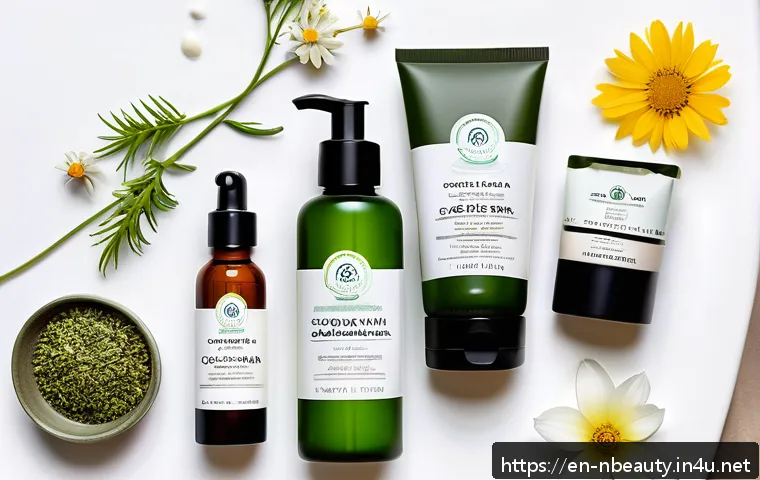
When we talk about natural skincare, it’s easy to picture ingredients harvested straight from the earth—think plant extracts, essential oils, and mineral-rich clays.
These elements often come from botanical sources and are minimally processed to preserve their inherent benefits. For example, chamomile or aloe vera used in a product retains anti-inflammatory and soothing properties that have been trusted for centuries.
What I find fascinating is how these natural substances tend to work in harmony with your skin’s biology, often reducing irritation and promoting a more balanced complexion.
However, the natural label doesn’t always guarantee safety or effectiveness, so it’s crucial to understand each ingredient’s role and concentration.
The Chemistry Behind Synthetic Fragrances
Synthetic fragrances are crafted in labs, designed to replicate or even improve upon natural scents. The advantage here is consistency and cost-effectiveness—these fragrances don’t vary with seasons or harvests, and they offer a broader palette of scent options.
That said, they often rely on chemical compounds like phthalates or parabens, which can sometimes trigger allergic reactions or sensitivities. I’ve noticed that some synthetic fragrances may initially smell stronger or last longer, but over time, they might cause subtle irritation, especially for people with sensitive skin.
It’s a trade-off between sensory pleasure and potential health concerns, which is why many consumers are now opting to scrutinize fragrance labels more closely.
How Ingredient Transparency Affects Your Choice
One of the biggest challenges in skincare today is deciphering ingredient lists that look like a chemistry exam. Natural products often boast simpler, shorter ingredient lists, which makes them easier to evaluate.
Synthetic products might contain complex names that aren’t immediately recognizable but serve important functions like preserving shelf life or enhancing texture.
I’ve personally found that brands committed to transparency—those that explain why each ingredient is included—build a lot more trust. This transparency helps you make informed decisions, especially if you’re managing allergies or prioritizing clean beauty.
It’s worth investing time to research or even reach out to brands when in doubt.
Skin Sensitivities: How Your Skin Reacts Differently
Allergic Reactions and Irritations Explained
Allergies to skincare ingredients are more common than most people realize. Natural doesn’t always mean hypoallergenic, and synthetic doesn’t automatically cause trouble.
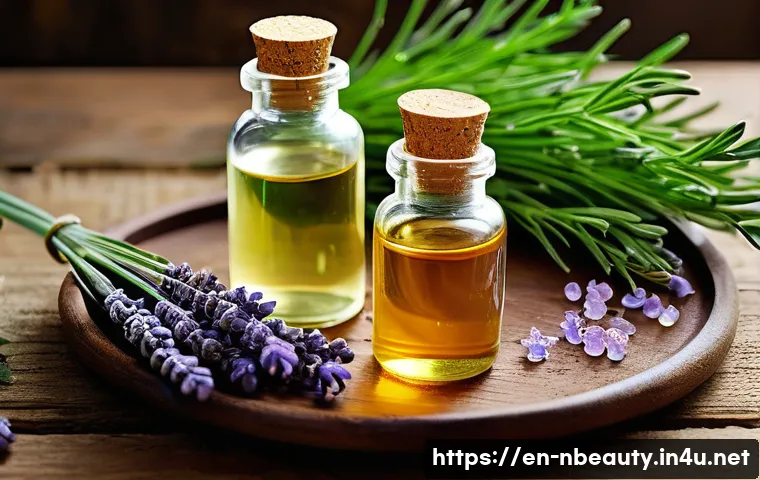
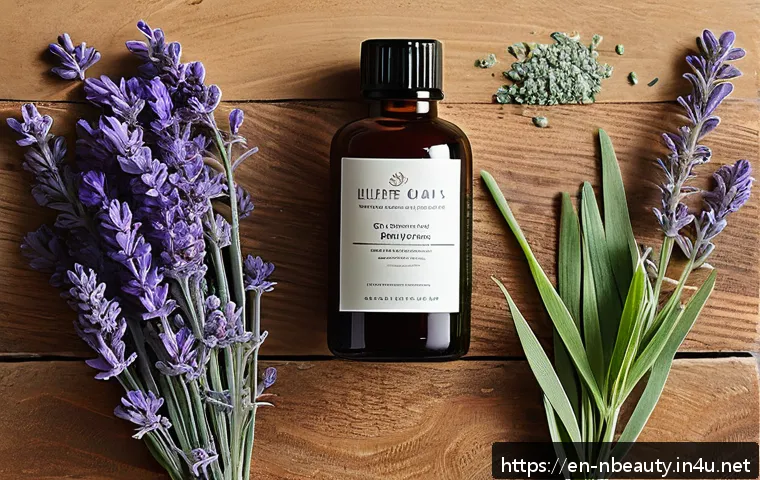
For instance, essential oils like lavender or tea tree, while natural, can provoke redness or itching in sensitive individuals. On the other hand, some synthetic components, like certain preservatives, may cause contact dermatitis if your skin is reactive.
I’ve seen people switch to “natural” products only to develop flare-ups, which can be frustrating. It’s important to patch test new products and be aware of your skin’s unique sensitivities rather than relying solely on ingredient origin.
Long-Term Effects on Skin Health
The long-term impact of daily skincare use is something I often think about. Natural ingredients tend to support the skin barrier and encourage healing, thanks to antioxidants and vitamins.
Conversely, some synthetic fragrances and additives may disrupt the skin’s microbiome or cause dryness over time. From my experience, people who consistently use gentle, plant-based products often report fewer breakouts and improved skin texture after several months.
It’s like giving your skin a chance to breathe and repair itself naturally, without the constant bombardment of harsh chemicals.
Why Patch Testing Is Your Best Friend
Patch testing is a simple yet effective way to avoid unpleasant surprises. By applying a small amount of product on your inner wrist or behind your ear, you can observe how your skin reacts over 24 to 48 hours.
I can’t stress enough how many times this quick step has saved me from full-face breakouts or irritations. It’s especially vital when trying new brands or switching between natural and synthetic-based products.
Think of it as a mini-experiment that helps you understand what your skin truly likes or dislikes.
Environmental Impact: More Than Just Skin Deep
The Sustainability of Natural Ingredients
Natural skincare often comes with the promise of eco-friendliness, but not all “natural” products are created equal. Some plant-based ingredients require intensive farming or water use, which can leave a significant environmental footprint.
However, brands that source sustainably and practice ethical harvesting really stand out to me—they often share their sourcing stories and certifications openly.
Using biodegradable packaging and organic farming methods are also strong indicators of a product’s green credentials. Supporting these brands means you’re not just caring for your skin, but also for the planet.
The Carbon Footprint of Synthetic Fragrances
Synthetic fragrances, while convenient, sometimes have a surprisingly high environmental cost. Their production involves petrochemicals and energy-intensive processes, contributing to carbon emissions.
On the flip side, the controlled manufacturing environment can reduce waste and contamination compared to large-scale natural ingredient farming. I’ve noticed a growing trend where fragrance houses are exploring bio-based synthetics that offer a middle ground—providing the best of both worlds with lower ecological impact.
It’s an exciting development for anyone concerned about sustainability.
Packaging and Waste Considerations
Packaging is often overlooked but plays a crucial role in the environmental story. Natural products frequently come in glass or recyclable materials, aligning with eco-conscious values.
Synthetic-heavy brands might rely more on plastic, which can be problematic if not recycled properly. Personally, I try to choose products with refill options or minimal packaging, which not only reduces waste but often lowers cost over time.
Small choices like these add up, helping both your skin and the environment thrive.
Performance and Sensory Experience: What Feels Better?

The Texture and Absorption Factor
One thing I’ve observed is how texture influences my skincare routine enjoyment. Natural products tend to have a lighter, more breathable feel, often absorbing quickly without leaving a greasy residue.
Ingredients like jojoba oil or shea butter feel nourishing but not heavy. Synthetic products, meanwhile, sometimes have a silky or velvety finish that feels luxurious but may sit on the skin longer.
The difference in absorption can impact how your skin looks and feels throughout the day. For me, balancing these textures depending on weather or skin condition has been a game-changer.
Fragrance Impact on Mood and Confidence
Fragrance isn’t just about smelling good; it’s deeply tied to emotions and memory. Natural scents often have subtle, calming effects—lavender can help reduce stress, while citrus notes energize.
Synthetic fragrances can be bolder and longer-lasting, which some people love for the confidence boost. I’ve personally enjoyed experimenting with both, depending on my mood or occasion.
What matters most is how the scent makes you feel and whether it complements your personal style without overwhelming your senses.
Longevity and Stability in Everyday Use
Durability of scent and product stability are practical considerations. Synthetic fragrances typically last longer on the skin and in the bottle, thanks to chemical stabilizers.
Natural scents may fade faster, requiring more frequent application. However, natural products often have shorter shelf lives, so freshness is key. I’ve learned to store natural skincare in cool, dark places and to buy smaller quantities to avoid waste.
Balancing longevity with freshness ensures you get the best experience without compromising quality.
Decoding Labels: What to Look For and Avoid
Common Red Flags in Fragrance Ingredients
Certain ingredients often raise eyebrows, such as phthalates, synthetic musks, and parabens. These can act as hormone disruptors or irritants, so many consumers choose to avoid them.
I always check if a product explicitly states “phthalate-free” or “paraben-free,” which gives me peace of mind. Beware of vague terms like “fragrance” or “parfum” without further disclosure, as these can hide a cocktail of synthetic chemicals.
Educating yourself on these terms helps avoid unnecessary risks.
Identifying Truly Natural Labels
Labels like “organic,” “wildcrafted,” or “100% natural” can be confusing without regulation. Some products might use these terms loosely, so looking for certifications from reputable bodies such as USDA Organic or COSMOS can be a good rule of thumb.
I also look for ingredient lists that confirm the absence of synthetic additives. Transparency from brands about sourcing and formulation practices is a good indicator of authenticity and quality.
How to Use Certifications to Your Advantage
Certifications act as shortcuts to understanding product integrity. Beyond organic seals, look for cruelty-free, vegan, or eco-certifications that align with your values.
These logos often mean the product has undergone testing and meets certain standards. While certifications aren’t foolproof, they add an extra layer of trust.
Personally, I cross-reference certifications with brand reputation and reviews to ensure I’m making the best choice for my skin and conscience.
Quick Comparison: Natural vs. Synthetic Fragrance Characteristics
| Aspect | Natural Ingredients | Synthetic Fragrances |
|---|---|---|
| Source | Plant extracts, essential oils, minerals | Lab-created chemical compounds |
| Scent Profile | Subtle, variable with seasons | Consistent, wide variety of scents |
| Potential Allergens | Essential oils can irritate sensitive skin | Phthalates, parabens, synthetic musks |
| Environmental Impact | Depends on sourcing; can be sustainable | Higher carbon footprint, petrochemical use |
| Longevity | Shorter-lasting scent | Long-lasting, stable scent |
| Packaging Trends | Eco-friendly, recyclable materials | Often plastic-based, less eco-conscious |
In Conclusion
Understanding what goes into your skincare products empowers you to make better choices for your skin and overall well-being. Whether you lean toward natural or synthetic ingredients, knowing their benefits and potential drawbacks helps you avoid surprises and enhances your skincare experience. Remember, transparency and patch testing are your best allies in this journey.
Helpful Information to Keep in Mind
1. Always read ingredient labels carefully to identify potential allergens or irritants before purchasing a product.
2. Patch testing new skincare items can prevent unwanted reactions and save you from discomfort.
3. Look for brands that openly share their sourcing and formulation details to ensure product transparency.
4. Consider the environmental impact of your skincare choices by opting for sustainably sourced ingredients and eco-friendly packaging.
5. Balance your preference for texture, scent, and longevity by experimenting with both natural and synthetic options to find what truly suits your skin.
Key Takeaways
Choosing skincare products involves more than just labels; it requires understanding ingredient origins, skin sensitivities, and environmental consequences. Prioritize transparency and quality over marketing buzzwords, and don’t hesitate to test products thoughtfully. By doing so, you’ll cultivate a skincare routine that nurtures both your skin’s health and your peace of mind.
Frequently Asked Questions (FAQ) 📖
Q: What are the main differences between natural skincare and synthetic fragrances?
A: Natural skincare products typically use plant-based ingredients, essential oils, and minerals, aiming to provide gentler care with fewer chemicals. Synthetic fragrances, on the other hand, are man-made compounds designed to mimic natural scents or create entirely new ones.
While synthetic fragrances often offer longer-lasting and more consistent scents, they can sometimes cause irritation or allergic reactions in sensitive skin.
Choosing between the two depends on your skin type, sensitivity, and personal preferences, but understanding ingredient labels can help you avoid unwanted effects.
Q: Can synthetic fragrances cause skin allergies or health issues?
A: Yes, synthetic fragrances are a common culprit behind skin allergies, irritation, and sometimes respiratory issues. Many synthetic compounds can trigger reactions, especially for those with sensitive skin or conditions like eczema.
Personally, I noticed that switching to fragrance-free or naturally scented products significantly reduced my redness and itching. It’s always wise to patch-test new products and opt for those labeled hypoallergenic or free of synthetic fragrances if you’re prone to sensitivity.
Q: How can I identify safer skincare products with natural ingredients?
A: Look for products that clearly list their ingredients and avoid vague terms like “fragrance” or “parfum,” which often hide synthetic chemicals. Certifications like USDA Organic, Ecocert, or COSMOS can be helpful indicators of genuine natural content.
From my experience, brands that prioritize transparency and have third-party testing tend to deliver more trustworthy products. Also, pay attention to your skin’s response over time—natural doesn’t always mean irritation-free, but it’s generally a safer bet for a cleaner routine.