Lately, the buzz around natural skincare has grown louder than ever, with more people seeking products that are truly organic and safe. But how do we really know if a product labeled “organic” meets genuine standards?

The world of organic certification can be confusing, and understanding the criteria behind these labels is crucial for making informed choices. In this post, I’ll take you through the key truths about organic certifications and what they mean for your skin and health.
If you’ve ever felt overwhelmed by the jargon or unsure about what to trust, stick around—this deep dive will clear up the mystery and help you shop smarter.
Decoding Organic Labels: What They Really Mean for Your Skin
How Certification Bodies Set the Bar
When you pick up a skincare product labeled as organic, it’s easy to assume it’s free from harmful chemicals and packed with natural goodness. But the truth is, organic certification involves a complex set of standards that vary depending on the certifying body.
Organizations like USDA Organic, COSMOS, and Ecocert have their own rules about ingredient sourcing, processing methods, and allowable additives. For instance, USDA Organic requires that at least 95% of the ingredients be organically grown, while COSMOS focuses heavily on environmental impact and prohibits certain synthetic substances.
Understanding which certification a product holds can give you clues about its quality and safety. In my experience, paying attention to these certifications helped me avoid products that were greenwashed—appearing organic but loaded with questionable chemicals.
The Fine Print: Ingredients and Their Origins
Not all “natural” ingredients are created equal. Some botanical extracts might be grown using pesticides or processed with solvents that strip away their beneficial properties.
Organic certification ensures that the farming methods avoid synthetic pesticides, GMOs, and harmful fertilizers, but it doesn’t always guarantee the extraction process is gentle or sustainable.
When I started scrutinizing ingredient lists alongside certifications, I noticed that some brands prioritized ethically sourced oils and herbal infusions, which made a noticeable difference in how my skin reacted—less irritation and a more radiant glow.
It’s these behind-the-scenes details that often get overlooked but play a big role in the product’s effectiveness.
Trust but Verify: Spotting the Authentic Organic Seal
A quick glance at the packaging can be misleading. Some products flaunt the word “organic” boldly, but don’t carry a recognized certification mark. Authentic seals are your best bet to separate marketing hype from genuine organic claims.
Look for official logos from trusted agencies—these seals are hard-earned and require rigorous audits and testing. Over the years, I’ve learned to spot fake labels by cross-referencing them with official certifier websites.
Also, beware of products that only claim “made with organic ingredients” because this typically means only a portion of the formula meets the organic criteria, leaving room for synthetic fillers.
Understanding the Impact of Organic Certification on Skin Health
Why Organic Ingredients Matter for Sensitive Skin
For anyone with sensitive or reactive skin, the presence of synthetic chemicals, preservatives, and artificial fragrances can trigger redness, itching, or breakouts.
Organic skincare products limit exposure to these irritants by using ingredients cultivated without harsh chemicals. My personal journey with sensitive skin taught me the importance of switching to organic products.
I noticed a significant reduction in flare-ups and an overall improvement in skin texture. That said, even organic ingredients can cause reactions, so patch testing remains essential.
But generally, the cleaner ingredient profile in certified organic products gives your skin a better chance to heal and thrive.
Long-Term Benefits Beyond Skin Deep
Organic skincare isn’t just about the immediate glow—it’s about nurturing your skin’s ecosystem over time. Products adhering to strict organic standards avoid disrupting your skin’s natural balance with harsh detergents or synthetic preservatives.
Instead, they often contain antioxidants, vitamins, and fatty acids in their purest forms, which support skin repair and resilience. From my experience, consistent use of organic skincare has helped maintain moisture levels and improve elasticity, making my skin look healthier and more youthful with fewer irritation episodes compared to conventional products.
Environmental and Ethical Considerations
Choosing organic skincare also means supporting farming practices that promote biodiversity, reduce pollution, and conserve water. Certified organic farms avoid synthetic pesticides and fertilizers that harm ecosystems and often follow fair-trade principles, ensuring better livelihoods for farmers.
I found that many organic brands are transparent about their sourcing and sustainability efforts, which adds another layer of trust. When you buy organic, you’re not only doing your skin a favor but also contributing to a healthier planet and fairer industry.
Breaking Down Common Organic Certification Standards
Key Differences Among Major Certifications
With so many certification bodies out there, it’s easy to get confused. USDA Organic, COSMOS, Ecocert, and NATRUE are some of the leading players, each with unique focuses.
USDA Organic is strict about agricultural practices, requiring 95% organic content and banning GMOs. COSMOS certification, widely used in Europe, emphasizes environmental impact and prohibits certain synthetic ingredients even if they’re technically allowed in other certifications.
Ecocert also balances organic content with ecological responsibility, while NATRUE focuses on naturalness and excludes ingredients like silicones and parabens.
Knowing these differences helps when choosing a product that aligns with your values and skin needs.
Transparency in Labeling and What to Watch For
Labels can be tricky. Some products are “100% organic,” others “organic,” and some “made with organic ingredients.” The percentages matter: 100% organic means all ingredients are certified organic, organic means at least 95% are organic, and “made with” means at least 70% organic ingredients.
The remaining percentage can include non-organic but approved ingredients. I always check these details because a product labeled “organic” but containing 5% synthetic ingredients might still affect sensitive skin or defeat the purpose of going natural.
Additionally, some certifications require full ingredient disclosure, which is a good indicator of brand transparency.
Certification Process: What Brands Go Through
Earning an organic certification is no walk in the park. Brands must submit detailed ingredient lists, production methods, and sourcing documentation.
Then, third-party auditors conduct inspections, sometimes including on-site farm visits. This process can take months and requires ongoing compliance checks.
From conversations with brand founders, I learned that the cost and effort to maintain certification often mean higher product prices—but also higher quality and accountability.
Brands that invest in this process tend to be more trustworthy, which is reassuring when you’re applying products to your skin daily.
Common Misconceptions About Organic Skincare Products
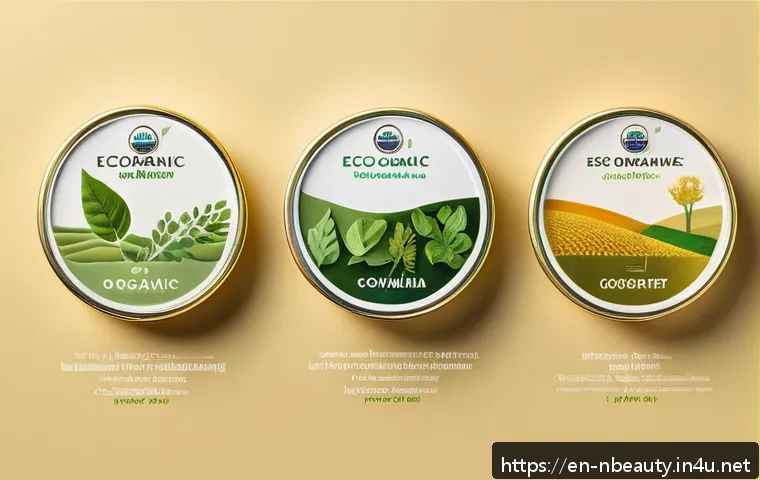
Natural Doesn’t Always Mean Organic
Many consumers confuse “natural” with “organic,” but these terms are not interchangeable. “Natural” often means ingredients are derived from plants or minerals but doesn’t guarantee how those ingredients were grown or processed.
Organic certification, on the other hand, is a verified standard ensuring the absence of synthetic chemicals and environmentally harmful practices. I’ve seen products marketed as natural that still contained preservatives and chemical stabilizers, which made me skeptical.
So, if you want truly chemical-free skincare, checking for organic certification is crucial.
Organic Skincare Can Still Cause Allergies
It’s easy to assume that organic equals hypoallergenic, but that’s not always the case. Some natural ingredients like essential oils or plant extracts can be potent allergens.
I once switched to an organic rosehip oil that caused a mild rash because my skin reacted to a specific compound. This taught me that organic products aren’t a magic shield against sensitivities.
The key is to know your skin and perform patch tests, regardless of how clean or organic the product claims to be.
Price Does Not Always Reflect Organic Quality
Organic skincare tends to be pricier due to the cost of certification and ingredient sourcing, but price alone isn’t a guarantee of authenticity or effectiveness.
Some luxury brands charge a premium for marketing rather than ingredient quality. Conversely, smaller indie brands might offer certified organic products at reasonable prices because they focus on transparency and ethical sourcing without the overhead of massive advertising.
I’ve found some hidden gems by digging beyond price tags and checking certifications and ingredient lists carefully.
How to Evaluate Organic Skincare Products Before Buying
Reading Labels Like a Pro
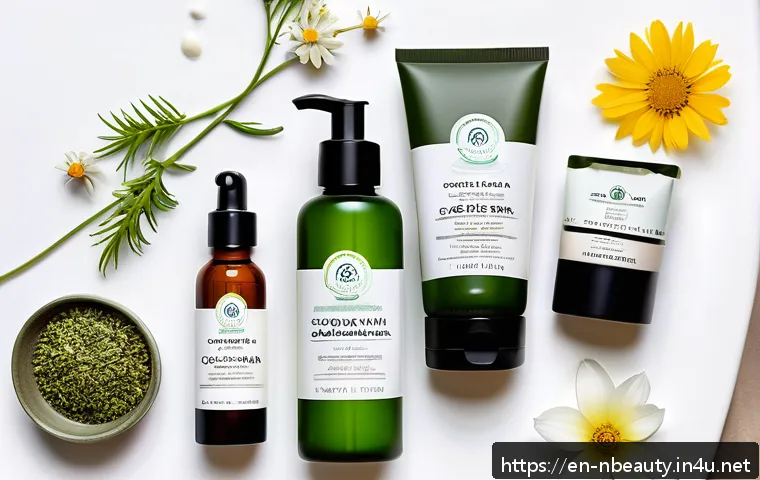
Labels can be overwhelming, but learning to decode them pays off. Look for the organic certification logos, check the ingredient list for recognizable botanical names, and avoid products with long lists of synthetic preservatives or artificial fragrances.
I usually look for ingredients like aloe vera, chamomile, jojoba oil, and shea butter—all known for their soothing properties. If a product’s ingredient list reads like a chemistry textbook, I tend to skip it.
Also, beware of vague terms like “fragrance” or “parfum,” which can hide synthetic chemicals.
Checking Brand Transparency and Reviews
Trustworthy brands are upfront about their certification status and ingredient sourcing. Many provide detailed information on their websites, including audit reports and farming practices.
I also rely heavily on customer reviews and skincare forums to get real-world feedback. Sometimes, a product might be certified organic but still not suitable for certain skin types, so community insights can be invaluable.
When I found a brand that openly shared its certification process and engaged with customers honestly, I felt more confident investing in their products.
Testing and Personal Experience
No amount of certification or label reading replaces personal experience. Everyone’s skin is unique, and what works wonders for one person might cause irritation for another.
I always recommend starting with samples or travel sizes to test a new organic product. Patch testing on a small skin area is a must, especially if you have sensitive skin or allergies.
Over time, you’ll learn which ingredients and brands your skin loves. From my journey, patience and attentiveness have been key in building a natural skincare routine that truly supports my skin’s health.
Comparing Popular Organic Certifications and Their Requirements
| Certification | Organic Ingredient Minimum | Key Focus Areas | Notable Restrictions |
|---|---|---|---|
| USDA Organic | 95% | Agricultural practices, GMO prohibition, no synthetic pesticides | No GMOs, no synthetic fertilizers, no irradiation |
| COSMOS Organic | 95% | Environmental impact, biodegradability, sustainable sourcing | No synthetic fragrances, no parabens, restricted silicones |
| Ecocert | 95% | Ecological balance, sustainable farming, fair trade | No GMOs, limited preservatives, no petrochemicals |
| NATRUE | 70% organic for organic label | Naturalness, exclusion of synthetic ingredients, transparency | No silicones, no parabens, no synthetic colorants |
In Conclusion
Understanding organic labels is essential for making informed skincare choices that truly benefit your skin and the environment. By recognizing certification standards and carefully reading ingredient lists, you can avoid misleading claims and find products that align with your values. My personal experience confirms that authentic organic skincare offers noticeable improvements in skin health and overall well-being.
Helpful Tips to Remember
1. Always look for recognized organic certification seals rather than relying solely on marketing claims.
2. Read ingredient lists carefully to ensure the product contains genuinely organic and gentle components.
3. Patch test new products, even if they’re certified organic, to avoid allergic reactions.
4. Research brands for transparency about their sourcing, certification process, and sustainability efforts.
5. Don’t judge quality solely by price—some affordable brands offer excellent certified organic products.
Key Takeaways
Organic certification involves strict standards that vary among agencies but generally ensure minimal synthetic chemicals and sustainable practices. Authentic seals and transparent labeling help you identify trustworthy products. While organic skincare can greatly benefit sensitive skin and support long-term skin health, it’s important to remain cautious about potential allergens and verify claims carefully. Investing in certified organic products contributes not only to your skin’s well-being but also to environmental preservation and ethical farming.
Frequently Asked Questions (FAQ) 📖
Q: What does it really mean when a skincare product is labeled “organic”?
A: When a product is labeled “organic,” it typically means that a certain percentage of its ingredients come from certified organic farming, free from synthetic pesticides and fertilizers.
However, the exact standards vary depending on the certifying body, like USDA Organic or COSMOS. It’s important to check which certification the product holds because “organic” on its own isn’t always a guarantee of strict quality or purity.
I’ve noticed that products with well-known certifications tend to have more transparent ingredient sourcing, which makes me feel safer using them.
Q: How can I tell if an organic skincare product is genuinely safe and effective?
A: Beyond certification, look at the ingredient list carefully. Organic doesn’t automatically mean non-irritating or suitable for all skin types. For example, some natural oils or extracts can cause reactions depending on your skin sensitivity.
In my experience, trying a patch test before fully committing to a product helps avoid surprises. Also, reading reviews from people with similar skin concerns can be a lifesaver.
Combining certification credibility with personal testing is the best way I’ve found to ensure safety and effectiveness.
Q: Are there any common misconceptions about organic skincare certifications I should be aware of?
A: Absolutely. One big misconception is that all organic certifications are created equal—this isn’t true. Some certifications are more stringent, requiring a higher percentage of organic ingredients and banning certain synthetic substances altogether.
Others might allow small amounts of non-organic additives, which can be confusing. Another myth is that “natural” always means “organic,” but these terms aren’t interchangeable.
From my own research, I’ve learned to prioritize transparency from brands and certifications over marketing buzzwords to avoid falling for misleading claims.