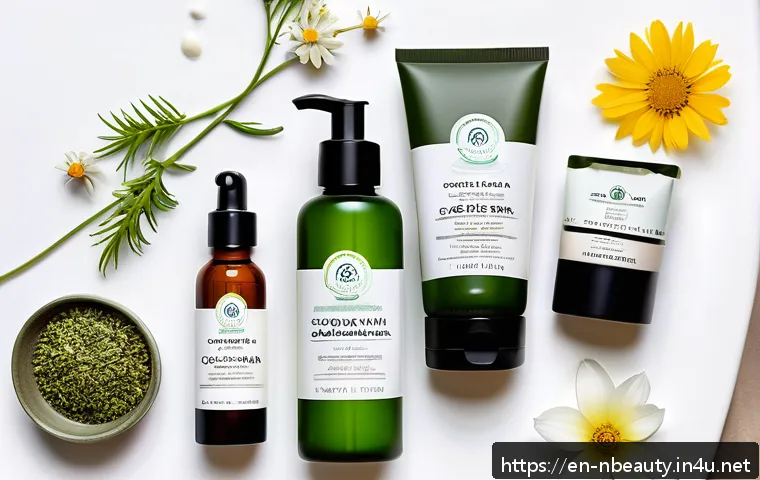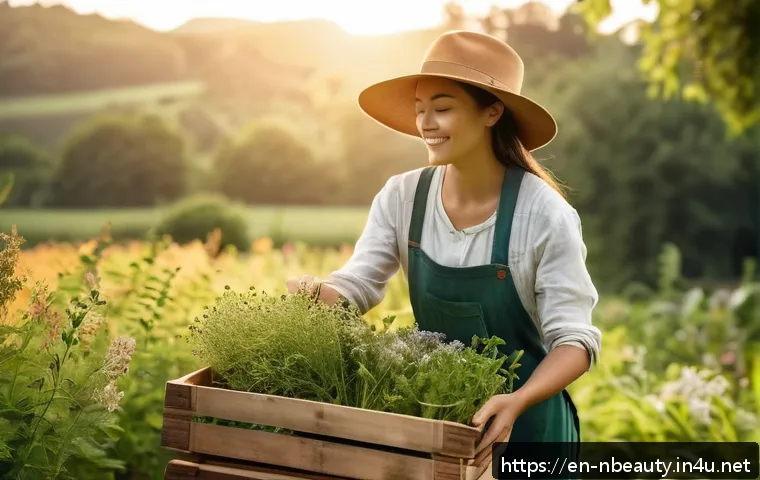
As the natural skincare market continues to flourish in 2024, brands face the exciting challenge of standing out in an increasingly crowded space. Consumers are more informed and selective than ever, seeking authenticity and transparency in their beauty choices.

This shift calls for innovative marketing tactics that go beyond traditional ads, tapping into genuine storytelling and community engagement. In this evolving landscape, brands that adapt creatively are unlocking new growth opportunities and building loyal followings.
Let’s dive into the freshest strategies that are reshaping how natural skincare connects with today’s conscious consumers.
Crafting Stories That Resonate Beyond Ingredients
Embracing Authentic Brand Narratives
In today’s natural skincare scene, it’s clear that consumers crave more than just a list of ingredients—they want stories they can relate to. Sharing the founder’s journey or the brand’s origin rooted in sustainability instantly humanizes the product.
For instance, when a brand openly discusses its challenges in sourcing ethical ingredients or its commitment to zero waste, it builds trust. I remember coming across a small brand that shared their struggles with climate change impacts on their herb farms.
That vulnerability made me feel connected and eager to support their mission. Authentic storytelling transforms passive browsers into passionate advocates, fostering emotional loyalty that no flashy ad can match.
Highlighting Real Customer Experiences
Showing genuine user testimonials and before-and-after stories is a powerful way to build credibility. Unlike polished ads, raw customer reviews or video diaries showcase real results and honest opinions.
When I tried a natural serum after watching a customer’s week-long skin update, it felt like a personal recommendation from a friend. Brands can encourage this by creating interactive campaigns where customers share their own journeys, creating a community vibe.
This approach not only increases engagement but also provides valuable social proof that turns skeptics into believers.
Using Visual Storytelling to Capture Attention
Visuals matter tremendously in natural skincare marketing. But instead of just pretty product shots, brands are now using behind-the-scenes videos, ingredient sourcing stories, and day-in-the-life content of their artisans or farmers.
These visual narratives offer transparency and invite consumers to experience the brand’s ethos firsthand. I once followed a campaign that documented the harvesting process of wildflowers used in their toners, and it deepened my appreciation for the product’s craftsmanship.
Investing in authentic visual storytelling creates a multisensory connection that sticks long after scrolling.
Building Communities That Feel Like Home
Fostering Interactive Social Spaces
Moving beyond one-way marketing, successful natural skincare brands cultivate vibrant online communities where consumers can share tips, ask questions, and celebrate their skin wins.
This could be through dedicated Facebook groups, Instagram Live sessions, or brand-hosted forums. I’ve personally found value in joining skincare communities where real conversations happen—not just marketing pitches.
These spaces build trust and encourage repeat purchases as members feel part of something bigger than just a transaction.
Collaborating with Micro-Influencers and Advocates
Instead of chasing massive celebrity endorsements, many brands tap into micro-influencers who genuinely align with their values. These smaller creators often have highly engaged audiences and can authentically speak about the brand’s benefits.
From my experience, recommendations from micro-influencers feel more trustworthy because they come across as peers rather than paid promoters. Partnering with these voices creates a ripple effect, organically expanding reach while maintaining credibility.
Hosting Events That Spark Real Connections
In-person or virtual events, such as workshops on natural skincare routines or ingredient education, offer brands a chance to engage deeply with their audience.
I attended a virtual herb extraction workshop hosted by a brand, and it was eye-opening—not just about the product but about the whole philosophy behind it.
Events like these foster loyalty and create memorable experiences that make customers feel truly valued.
Leveraging Transparency as a Core Value
Detailed Ingredient Breakdown and Sourcing
Consumers no longer settle for vague ingredient lists; they want to know the why and where behind every component. Brands that provide detailed sourcing stories, certifications, and even supply chain insights win big on trust.
When I saw a brand openly share videos of their organic farms and explain the benefits of each botanical, it boosted my confidence to try their products.
Transparency isn’t just a buzzword—it’s a non-negotiable expectation that builds long-term relationships.
Open Communication on Sustainability Practices
Sustainability is more than a checkbox; it’s an ongoing commitment that needs to be communicated honestly. Brands who disclose their packaging materials, carbon footprint, and recycling programs create a sense of shared responsibility.
I appreciate brands that report both successes and areas for improvement—this honesty feels respectful and motivates me to support their growth. Transparent sustainability messaging aligns with conscious consumers’ values and encourages brand advocacy.
Clear Labeling and Certifications
Clear, easy-to-understand labeling helps consumers quickly identify what aligns with their needs—whether it’s cruelty-free, vegan, or allergen-free. Certifications from trusted organizations act as a seal of credibility.
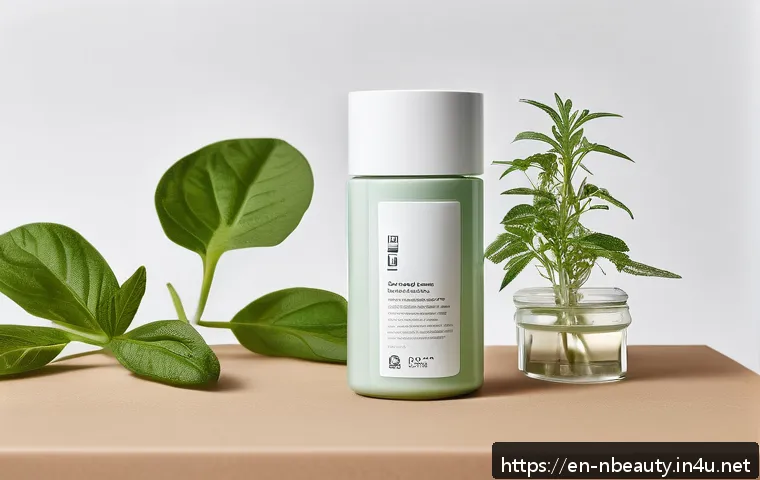
Personally, I rely heavily on these certifications when trying new products, as they remove guesswork and reduce skepticism. Brands investing in these credentials demonstrate professionalism and accountability, which resonates deeply with informed shoppers.
Innovating Engagement Through Technology and Personalization
AI-Powered Skin Analysis Tools
Some natural skincare brands are now integrating AI-driven skin analysis apps that provide personalized product recommendations. I tried one recently, and the detailed feedback on my skin type and tailored routine made the shopping experience feel customized and thoughtful.
This tech-savvy approach not only educates consumers but also increases conversion rates by matching products precisely to individual needs.
Interactive Packaging Experiences
Brands are experimenting with QR codes or augmented reality on packaging that unlocks exclusive content—like ingredient origins, tutorials, or expert tips.
This creates an engaging, informative experience right at the point of use. I scanned a code on a moisturizer bottle and was instantly immersed in a mini-documentary about the farmers behind the key ingredients, which deepened my connection to the product.
Subscription Models with Personalized Curation
Subscription boxes tailored to individual skin concerns and preferences are gaining traction. I signed up for one that sends me a monthly selection based on my skin’s seasonal changes and feedback.
This continuous customization feels like a personal skincare concierge, encouraging loyalty and consistent usage. Brands benefit by maintaining ongoing customer relationships and predictable revenue streams.
Measuring Impact and Adjusting Strategies
Tracking Engagement Beyond Likes
True connection goes beyond surface-level metrics. Brands are focusing on meaningful engagement such as comment quality, community participation, and customer feedback.
From my observation, brands that respond thoughtfully to questions and foster dialogue create stronger bonds. Measuring these qualitative factors helps refine marketing approaches to be more customer-centric and less transactional.
Adapting to Consumer Feedback Swiftly
Rapidly responding to customer insights—whether product preferences or concerns—demonstrates that the brand listens and evolves. I’ve seen brands release improved formulas or new offerings based directly on user input, which feels empowering as a customer.
This agility not only boosts satisfaction but also signals authenticity and respect.
Using Data to Personalize Outreach
Data analytics enable brands to segment audiences and tailor messaging accordingly. For example, first-time buyers might get educational content while loyal customers receive exclusive previews.
I appreciate when brands remember my preferences and offer relevant tips or products, making interactions feel more personalized and less generic.
Summary of Effective Natural Skincare Marketing Approaches
| Strategy | Key Focus | Consumer Benefit | Example Tactic |
|---|---|---|---|
| Authentic Storytelling | Brand origin, founder’s journey | Emotional connection and trust | Sharing behind-the-scenes videos |
| Community Building | Interactive social spaces, micro-influencers | Engagement and peer recommendations | Hosting live Q&A sessions |
| Transparency | Ingredient sourcing, sustainability | Credibility and shared values | Detailed ingredient breakdowns |
| Technology Integration | AI skin analysis, AR packaging | Personalized experience | QR code unlocking tutorials |
| Feedback-Driven Adaptation | Consumer insights, data analytics | Product improvement and tailored outreach | Regular surveys and segmented emails |
In Closing
Building a meaningful connection with natural skincare consumers goes far beyond product features. By weaving authentic stories, fostering genuine communities, and embracing transparency, brands create lasting loyalty. Incorporating innovative technology and staying responsive to feedback further deepens these relationships. Ultimately, thoughtful marketing rooted in trust and personalization stands out in today’s crowded market.
Helpful Insights to Remember
1. Authentic storytelling humanizes brands and sparks emotional bonds that drive customer loyalty.
2. Engaging communities through interactive spaces and micro-influencers creates trust and boosts word-of-mouth.
3. Transparency about ingredients and sustainability is essential for credibility and consumer confidence.
4. Leveraging technology like AI skin analysis and AR packaging enhances personalized experiences and customer engagement.
5. Listening and adapting to customer feedback shows respect, fosters satisfaction, and improves product offerings.
Key Takeaways
Successful natural skincare marketing hinges on authenticity, community, and transparency. Brands that share honest stories and real customer experiences build trust that lasts. Creating interactive platforms and collaborating with relatable influencers strengthens consumer bonds. Transparency in sourcing and sustainability meets growing demands for ethical practices. Finally, embracing technology and responsive communication personalizes the customer journey, turning buyers into brand advocates.
Frequently Asked Questions (FAQ) 📖
Q: How can natural skincare brands effectively stand out in a saturated market?
A: To truly stand out, brands need to go beyond just listing ingredients or benefits. Sharing authentic stories about the product’s origin, the founders’ passion, or the sustainable sourcing behind each ingredient creates a deeper connection with consumers.
Engaging with customers through social media communities, live Q&A sessions, and user-generated content also builds trust and loyalty. I’ve noticed that brands embracing transparency and real human experiences tend to attract more meaningful engagement and repeat buyers.
Q: What role does consumer education play in marketing natural skincare products today?
A: Education is absolutely key because today’s shoppers want to understand what they’re putting on their skin and why it matters. Brands that provide clear, science-backed explanations about ingredient benefits, potential allergens, and environmental impact empower customers to make informed choices.
When I’ve seen brands offering detailed blog posts, video tutorials, or interactive quizzes, it not only boosts credibility but also keeps visitors on their site longer—great for both trust and SEO.
Q: What innovative marketing tactics are proving successful in the natural skincare industry this year?
A: Influencer partnerships with micro-influencers who genuinely love the product are hugely effective—they come across as relatable and trustworthy rather than salesy.
Additionally, immersive experiences like virtual skincare consultations or AR try-on tools let customers personalize their journey, which is a game-changer for engagement.
Personally, brands that combine these tactics with cause-driven campaigns—supporting environmental or social issues—often see a stronger emotional response and community growth.