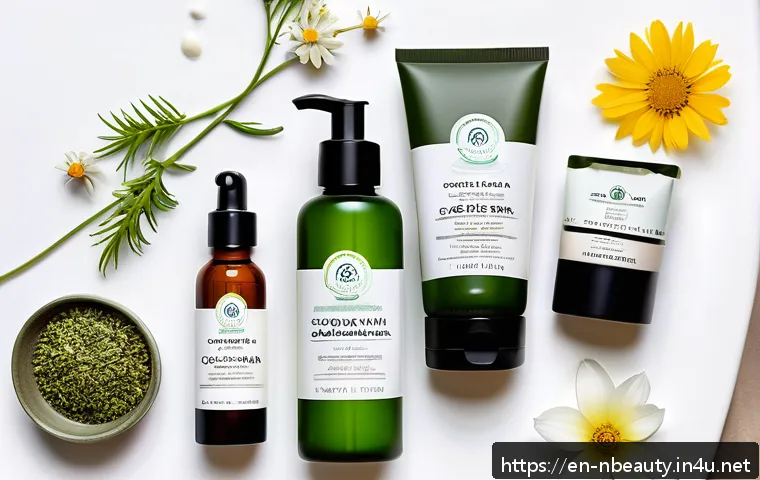
For most new natural skincare brands, start with a focused branded store if you need customer ownership and clear product education; start with a marketplace or social commerce if discovery matters more than full control.

The best choice depends on your budget, catalog size, and ability to pack and ship orders reliably. “Natural” alone is not a complete sales position, especially because it is not a universally defined cosmetic labeling standard in the United States.
Buyers need clear ingredients, realistic benefits, useful directions, and enough visual detail to make a decision without touching the product. Price every item for the full cost of selling online, not only the formula and jar.
Build repeat purchase into your offer through routines, bundles, and helpful post-purchase communication rather than constant discounting.
At a Glance
- Start with one clear customer routine: a focused collection is usually easier to explain, photograph, price, and fulfill than a broad launch catalog.
- Match the channel to the business stage: a branded store offers more control, while marketplaces and social commerce can support discovery.
- Protect margin before scaling traffic: include packaging, payment processing, shipping supplies, returns, samples, and promotions in every pricing decision.
| Decision Area | Best When | Primary Strength | Watch Closely |
|---|---|---|---|
| Branded ecommerce store | You need brand control and direct customer relationships | Full product education, email capture, and customer data ownership | Store setup, product photography, payment processing, and traffic generation |
| Online marketplace | You want added product discovery with less dependence on your own audience | Potential access to shoppers already looking for beauty products | Marketplace fees, limited control, margin pressure, and competing listings |
| Social commerce | Your products are easy to demonstrate visually | Useful for texture, routine, packaging, and creator-led content | Content workload, changing platform conditions, and fulfillment readiness |
| In-house fulfillment | Order volume is manageable and careful packing is part of the brand experience | Direct quality control over samples, inserts, and packaging | Breakage, temperature exposure, shipping speed, and customer-service workload |
| Fulfillment service | Shipping work is limiting growth or creating service risk | More operational support for storage, packing, and dispatch | Service terms, handling standards, inventory flow, and total fulfillment cost |
| Email marketing software | You want to support repeat orders after the first purchase | Welcome messages, product education, and post-purchase reminders | Consent practices, useful timing, and messages that add value rather than noise |
Start With a Sellable Positioning, Not Just a “Natural” Label
The strongest starting point is a clear routine, customer need, and product category—not a broad “natural” promise. In the United States, the FDA does not define or regulate “natural” as a universal cosmetic labeling standard. That means the word may attract attention, but it does not tell a shopper why your cleanser, moisturizer, soap, or body care product belongs in their routine.
Define the Customer Problem, Routine, and Product Category
Start with the practical moment when a person would use the product. A shopper may be building a simple cleansing routine, looking for a daily moisturizer, or replacing a body care item they use regularly. This approach gives your store a usable structure: product purpose, directions, compatible products, and a logical next purchase.
Keep the language consumer-friendly. Describe the sensory experience, format, intended use, and routine placement. For example, explain whether a product is designed to be rinsed off, applied after cleansing, or used as part of body care. Do not turn routine guidance into a disease-treatment or body-function claim.
Build Trust With Ingredient Transparency, Directions, and Realistic Claims
Online skincare shoppers cannot test texture or scent before ordering. Your product page should reduce that uncertainty with ingredient information, clear usage directions, package details, and a straightforward return policy. Explain what the shopper will receive and how to use it without implying outcomes you cannot support.
Truthful, supported claims are a business asset. The FTC expects advertising claims—including environmental and “natural” claims—to be truthful, not misleading, and supported by appropriate evidence. Review statements such as “clean,” “organic,” “hypoallergenic,” sustainable, or natural carefully before placing them on product labels, ads, product pages, or creator briefs.
A cosmetic claim that says a product treats or prevents a disease, or affects the body’s structure or function, may raise additional regulatory considerations. If you sell across multiple markets, confirm applicable cosmetic safety and labeling requirements for each target market. A compliance review can be a sensible early investment when claims, ingredients, or target regions become more complex.
Create a Focused Launch Collection Instead of Too Many SKUs
A small launch collection can make inventory, product photography, and fulfillment easier to manage. It also helps customers understand what to buy first. Consider a collection built around one routine: a core item, a complementary item, and a simple set for shoppers who want the complete experience.
More products can create more choices, but they also add packaging decisions, inventory exposure, labeling work, and support questions. Launch with products you can explain clearly and fulfill consistently. Expand when you have useful customer questions, repeat-order signals, and a clearer understanding of which routine customers actually want.
Choose the Right Online Sales Channel for Your Budget and Growth Stage
Choose a sales channel based on what is currently scarce: attention, brand control, operating time, or fulfillment capacity. No channel is automatically best for every natural skincare business. A practical strategy often starts with one primary channel and adds another only when the business can support it.
Branded Ecommerce Store vs. Marketplace vs. Social Commerce
A branded ecommerce store is often the strongest home base when you need full control over store design, product pages, customer education, and email marketing. It is especially useful when your formula, texture, usage method, or ingredient story needs explanation before a buyer feels ready to order.
An online marketplace may be useful when discovery is the immediate priority. However, evaluate marketplace fees, listing requirements, customer-data access, and the effect on margin. A marketplace can introduce a product to shoppers, but your listing still needs strong images, clear directions, and accurate claims.
Social commerce can work well for visually understandable products. Short demonstrations can show packaging scale, product texture, and how an item fits into a routine. It should not replace the basics: complete product information, clear policies, safe claim language, and dependable shipping.
Compare Control, Fees, Customer Data, Setup Effort, and Margin
Use these questions before committing resources:
- Do you need a fully branded product page with detailed ingredient and usage information?
- Can the channel support the payment processing, return-policy, and customer-service experience you want?
- Will marketplace fees, promotional discounts, and shipping costs leave adequate room after the product is sold?
- Can you collect permission-based email contacts for future education and replenishment communication?
- Can your current packing process handle increased orders without delays, breakage, or inconsistent presentation?
Do not select a channel only because it appears easy to launch. The right channel should support the economics and customer experience you can realistically maintain.
When Wholesale Inquiries or a Fulfillment Partner Become Worthwhile
Wholesale-ready selling may become relevant when retailers ask for consistent product details, reliable supply, and clear operational expectations. Before pursuing those opportunities, make sure your product information, packaging, inventory process, and fulfillment workflow are organized enough to support another sales path.
A fulfillment service may be worth evaluating when packing orders takes time away from product development, store improvement, and customer support—or when shipping speed and handling consistency are becoming a risk. Ask how products are stored, packed, and processed, especially if breakage or temperature exposure could affect the customer experience. Review the provider’s detailed service conditions before moving inventory.
Price Natural Skincare for Margin, Shipping, and Repeat Purchase Value
Price from the total cost of delivering the order, not from ingredients and packaging alone. Low-priced skincare can be particularly sensitive to shipping costs, protective packing, breakage risk, fulfillment speed, and payment processing. A product that appears profitable before shipping may not remain profitable after the full order journey is considered.
Calculate Landed Product Cost Beyond Ingredients and Packaging
Build a unit-economics checklist for each product and bundle. Include the formula, primary package, outer packaging, labels, safety-related packaging needs, and the handling required to prepare the item for sale. Then consider what changes when the product is sold online rather than handed directly to a customer.
For a store-level view, separate product costs from order-level costs. This makes it easier to see whether a single product, a two-item routine set, or a larger bundle better supports the order economics.
Account for Payment Fees, Shipping Supplies, Samples, Returns, and Promotions
Before setting a retail price, review the costs that can appear after checkout: payment processing, shipping supplies, postage or shipping charges, fulfillment services, samples, replacement orders, returns, and promotional discounts. The exact amounts will vary by business, but excluding them creates an incomplete pricing picture.
Use a simple review process: list every cost that occurs when one order is placed, then compare that list against the selling price and the promotional offer you plan to run. Repeat the exercise for domestic and other target markets where shipping, labeling, or customer expectations may differ.
Use Bundles, Routine Sets, and Replenishment Offers Without Training Customers to Wait for Discounts
Consumable categories such as cleansers, moisturizers, soaps, and body care can benefit from repeat purchase. A routine set can help customers understand how products work together while also improving the usefulness of the order. Bundles can be especially helpful when a shopper is uncertain about where to start.
Make the offer easy to understand. A set should solve a routine question, not merely push more units into a cart. Consider useful educational follow-up through email marketing software: how to use the product, where it fits in a routine, and when a customer may want to consider reordering. Avoid relying on frequent discounts that teach customers to delay their purchase.
Build Product Pages That Reduce Buyer Uncertainty
Your product page should answer the questions a shopper would ask if they could pick up the product in person. This is where store design, product photography, ingredient information, and policy clarity directly support conversion.
Essential Photos: Texture, Scale, Packaging, Usage, and Ingredient Context
Use product photography that shows the item from more than one practical angle. Include the packaging, product scale, texture where appropriate, and a clear view of how the product is dispensed or applied. If a product comes in a jar, pump, tube, bar, or bottle, show the format clearly.

Images should help shoppers understand the real item rather than create uncertainty. When visual explanation is the main conversion bottleneck, professional photography or content support can be more valuable than adding another product variation. Look for a provider whose portfolio shows cosmetic products accurately and consistently.
Write Benefit-Led Copy Without Unsupported Health or Medical Claims
Lead with what the customer can reasonably expect from the product experience: its category, intended use, texture, scent description if relevant, and directions. Keep benefit statements aligned with the evidence you have. Do not imply that a cosmetic product treats or prevents disease, or affects the structure or function of the body, unless you have assessed the additional regulatory considerations that may apply.
Strong copy is specific without being overstated. It can explain that an item is made for a certain place in a routine, that it is packaged for a particular use format, or that a set helps simplify a routine. It does not need dramatic promises to be persuasive.
Use FAQs, Patch-Test Guidance, Shipping Details, and Return Policies to Prevent Avoidable Support Requests
Place routine questions near the purchase decision. Include directions, ingredient information, patch-test guidance where appropriate, shipping details, and return-policy information. These details can reduce uncertainty before checkout and may lower avoidable customer-service requests later.
Be clear about dispatch expectations without promising a delivery outcome you cannot control. Explain how customers can contact you when an order arrives damaged or when they need help with a product question. For breakable products, review whether your packaging and fulfillment process adequately protect the item during transit.
Launch Marketing That Can Produce Useful Sales Data
The goal of early marketing is not simply more traffic; it is usable evidence about what customers understand, buy, and reorder. Start with a controlled approach so you can learn from product-page behavior, customer questions, refund reasons, and order patterns.
Prepare Email Capture and Post-Purchase Flows Before Paid Traffic
Before investing in paid campaigns, set up a clear email capture path and a useful welcome experience. A new subscriber may need help choosing between products, understanding the routine, or learning how to use the item after it arrives. Email marketing software can support this education while helping you build a direct relationship with permission-based contacts.
Post-purchase messages can also provide usage directions, product-care notes, and relevant replenishment reminders. Keep messages helpful and tied to the actual product experience. The value is not in sending more email; it is in reducing uncertainty and supporting a better repeat-purchase decision.
Test Creator Content, Search-Focused Content, and Paid Campaigns With a Defined Budget Limit
Creator content can help show real product handling, scale, and routine placement. Search-focused content can answer questions shoppers have before buying, such as how to choose a product category or build a simple skincare routine. Paid campaigns can provide faster traffic, but they should be tested with a defined budget limit and a clear learning goal.
Keep product claims consistent across your store, ads, creator content, and social posts. If a message would be risky or unsupported on a product label, it is not made safer by putting it into a caption or advertisement.
Track Conversion Rate, Average Order Value, Repeat Purchase, Refund Reasons, and Contribution Margin
Track the signals that help you make the next decision. Conversion rate can show whether visitors understand the offer. Average order value can show whether bundles or routine sets are useful. Repeat purchase can indicate whether the product fits an ongoing routine. Refund reasons and support requests can reveal gaps in photography, directions, packaging, or policy clarity.
Also review contribution margin after the costs directly connected to the order. This helps prevent a common mistake: increasing sales while losing visibility into shipping, fulfillment, payment processing, discounts, and return-related costs.
Selection Criteria and Comparison Summary
Choose your next investment by identifying the current bottleneck rather than copying another beauty brand’s priorities.
- Choose a store platform when brand control, detailed product education, and direct customer relationships matter most.
- Choose professional product photography or content support when shoppers cannot easily understand texture, packaging scale, usage, or product differences.
- Choose a compliance review when you are expanding claims, entering additional markets, or need to verify labeling and promotional language.
- Choose inventory investment when demand is clearer and stock availability is becoming the main customer-experience risk.
- Choose fulfillment outsourcing when packing work, shipping speed, breakage, or service consistency is limiting sustainable growth.
Compare the official details, service terms, and applicable conditions on the relevant provider’s page before selecting an ecommerce platform, payment processor, fulfillment service, or email marketing tool.
Final Thoughts
Selling natural skincare online works best when trust is built into every stage of the purchase. A clear position, accurate claims, strong product pages, and complete pricing discipline matter more than a broad collection or a vague natural label. Start with the channel and operating process you can manage consistently. Then use customer questions and order data to decide where the next investment should go.
Useful Things to Know
1. “Natural” is not a universal cosmetic labeling definition in the United States.
Make sure your wording is truthful and appropriately supported.
2. Product education is part of conversion. Ingredient information, directions, photography, and policies help replace the in-store experience.
3. Shipping can reshape product economics. Consider protective packaging, breakage, temperature exposure, and fulfillment speed before scaling.
4. Repeat orders can be valuable. Consumable products may benefit from routine-based communication and sensible replenishment support.
Important Notes
This guide does not determine whether a specific formula, ingredient, preservation system, label, or claim complies in every market. Cosmetic products and their labeling must meet applicable safety and labeling requirements where they are sold. The suitability of “natural,” “organic,” “clean,” “hypoallergenic,” environmental, or sustainability claims depends on the specific product and supporting evidence. Manufacturing cost, platform fees, advertising cost, conversion rate, repeat-purchase rate, and profit margin must be verified for your own business before making spending decisions.
Frequently Asked Questions
Q1. Should a new natural skincare brand invest in store design or product photography first?
A1. Choose the investment that removes the biggest buyer uncertainty. If shoppers cannot understand the product’s texture, packaging, scale, or use, photography may be the immediate priority. If the product information is hard to navigate or checkout feels unclear, store design may deserve attention first.
Q2. When should I seek a compliance review?
A2. Consider a compliance review before expanding into new markets, using stronger product claims, or relying on “natural,” environmental, organic, clean, hypoallergenic, or sustainability language that needs support. Requirements can vary by market and product details.
Q3. How much inventory should I buy for an online launch?
A3. The appropriate amount depends on your manufacturing process, storage capacity, product demand, fulfillment plan, and available capital. A focused catalog can reduce complexity while you learn which products and routine sets customers actually choose.
Q4. When should I outsource fulfillment?
A4. Consider fulfillment outsourcing when packing orders is limiting growth, shipping work is creating customer-service risk, or you need more consistent order handling. Review storage, packing standards, inventory processes, breakage handling, and service terms before committing inventory.
Q5. Can I use “natural” as the main reason customers should buy?
A5. It can be part of the brand message, but it should not replace clear product information. Explain the product category, ingredients, directions, routine role, and realistic benefits. Any natural or environmental claim should be truthful, not misleading, and supported by appropriate evidence.