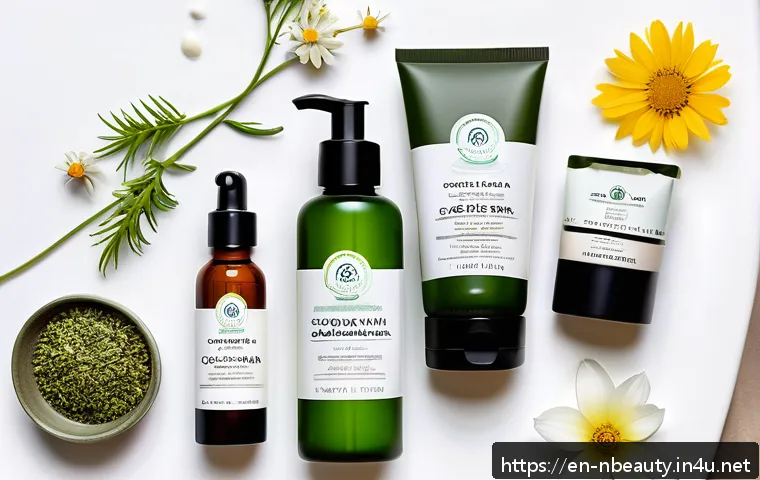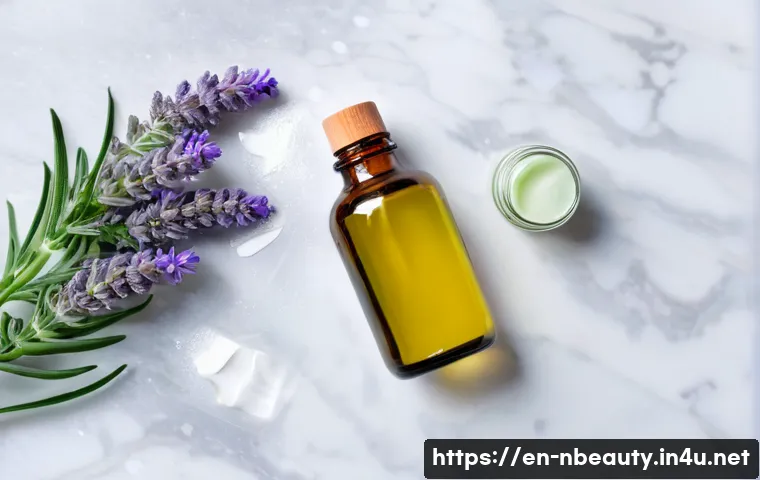
Taking care of your pores naturally is more than just a skincare trend—it’s a holistic approach to healthier, glowing skin. Unlike harsh chemical treatments, natural products often soothe and nourish without irritation, making them ideal for sensitive or combination skin types.
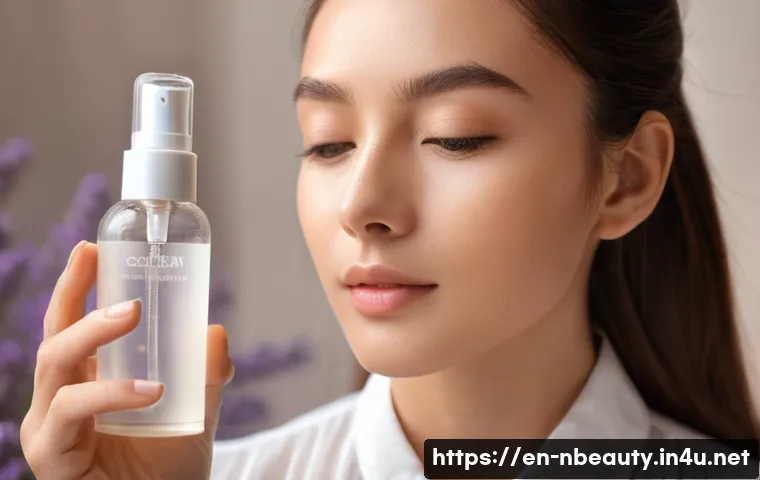
Over time, I’ve noticed how gentle botanical ingredients can effectively minimize pore appearance and balance oil production. Plus, embracing nature’s remedies aligns with a lifestyle that values sustainability and wellness.
If you’re curious about how to integrate these methods into your routine, stick around. Let’s dive deep into the best ways to manage pores with natural skincare!
Understanding the Role of Natural Ingredients in Pore Care
How Botanical Extracts Help Balance Skin
Natural ingredients like witch hazel, green tea, and chamomile have long been treasured for their ability to gently calm inflammation and regulate excess oil.
From my own experience, using products infused with these botanicals has helped soothe my combination skin without that tight, dry feeling so often caused by chemical astringents.
Witch hazel, for example, acts as a natural toner, tightening pores while maintaining hydration levels. Green tea’s antioxidants fight free radicals that can exacerbate pore visibility, making it a powerhouse ingredient for maintaining overall skin health.
Essential Oils That Support Pore Minimization
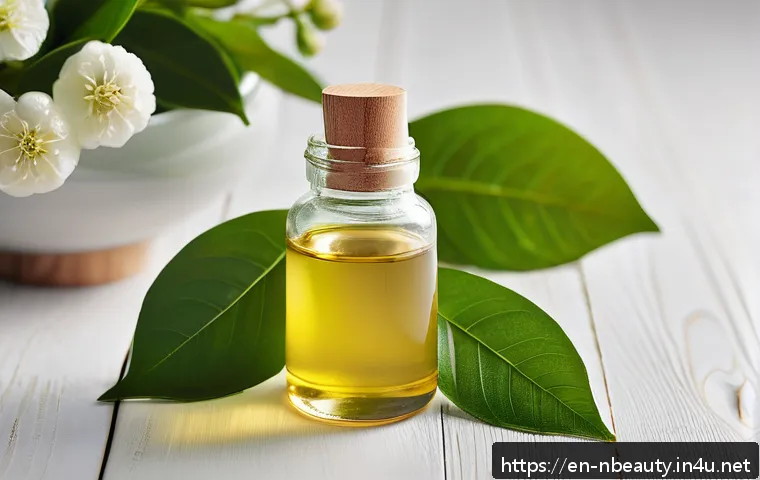
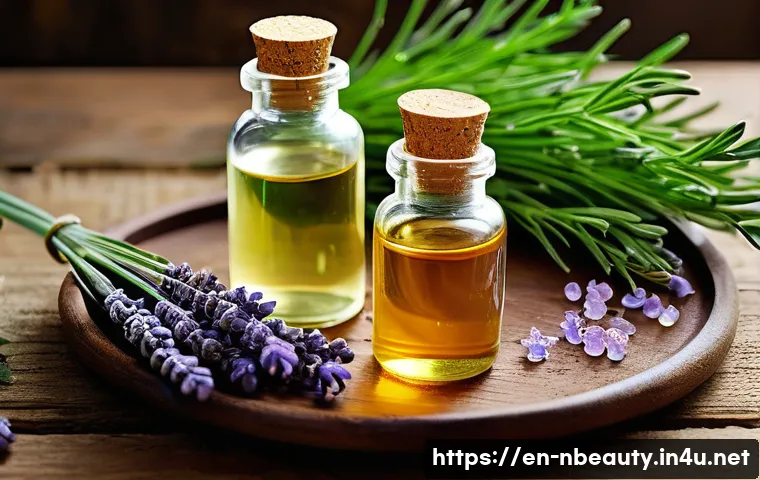
Certain essential oils, such as tea tree and lavender, are not only aromatic but also carry potent antibacterial and anti-inflammatory properties. Incorporating diluted tea tree oil into my skincare routine helped reduce breakouts around my nose and chin where pores tend to clog the most.
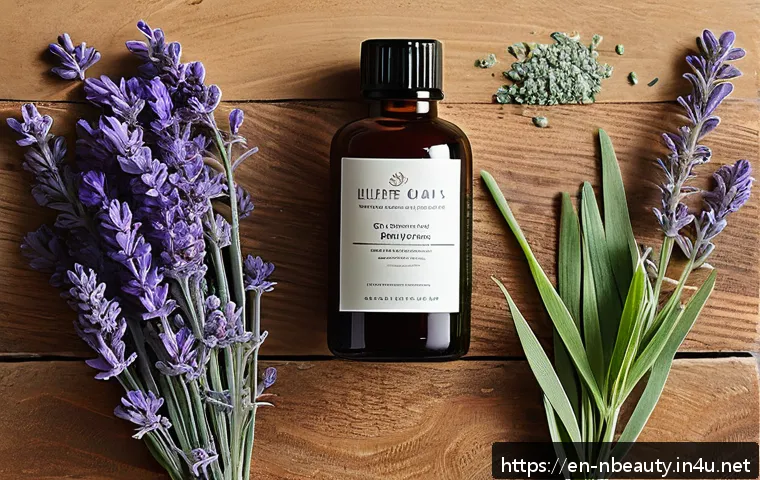
Lavender oil, meanwhile, calms redness and promotes skin healing, which indirectly supports pore refinement over time. However, I always emphasize patch testing and proper dilution because essential oils can be strong and may irritate sensitive skin if misused.
The Importance of Hydration and Natural Moisturizers
One surprising lesson I learned is that drying out your skin doesn’t shrink pores permanently—it often makes them look worse. Natural moisturizers like aloe vera gel, jojoba oil, and honey keep the skin supple and balanced.
Aloe vera’s lightweight texture hydrates without clogging pores, while jojoba oil mimics the skin’s natural sebum, helping to regulate oil production.
Honey, with its antibacterial and humectant qualities, not only moisturizes but also gently exfoliates dead skin cells that can enlarge pore openings.
Incorporating Gentle Exfoliation to Clear Pores Naturally
Why Chemical Peels Aren’t Always the Answer
While chemical peels promise quick fixes, they can be too harsh for regular use, especially on sensitive or combination skin. I found that natural exfoliants provide a more sustainable way to manage pore size without causing irritation or over-drying.
Unlike strong acids, these alternatives work gradually, promoting cell turnover and clearing debris trapped inside pores at a gentler pace.
Effective Natural Exfoliants for Daily Use
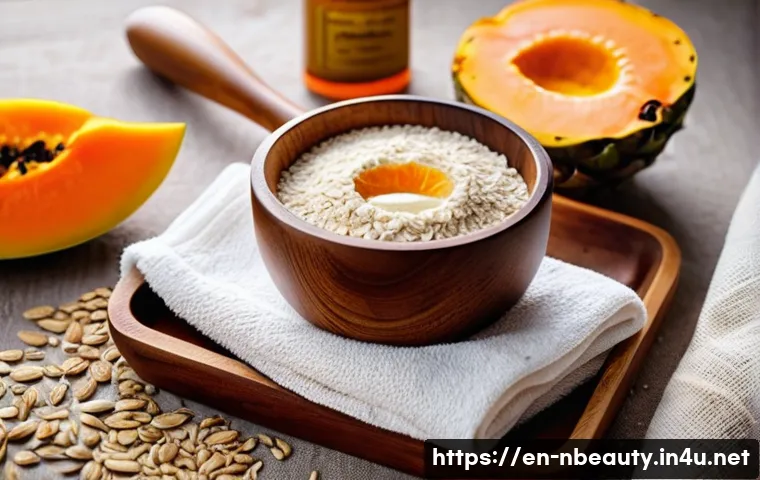
Ground oats, rice flour, and finely milled almonds are excellent for physical exfoliation without scratching or damaging the skin barrier. When mixed with a hydrating base like yogurt or honey, they create a nourishing scrub that removes dead skin while soothing irritation.
I often make my own scrub at home using these ingredients, and it feels so refreshing to know exactly what’s going on my face.
Enzymatic Exfoliation with Fruit Enzymes
Papaya and pineapple contain natural enzymes (papain and bromelain) that gently dissolve dead skin cells. These enzymatic exfoliants are a game changer for anyone who struggles with rough texture or clogged pores but is wary of abrasive scrubs.
Applying a papaya-based mask once or twice a week helped me reveal smoother skin and visibly smaller pores without any redness or peeling afterward.
Balancing Oil Production with Natural Toners and Mists
Choosing the Right Toner for Your Skin Type
Toners can either dry out or nourish your skin depending on their ingredients. I recommend opting for alcohol-free, plant-based toners that support your skin’s pH and reduce excess oil gently.
Ingredients like rose water, cucumber, and aloe vera are fantastic for refreshing the skin and shrinking pores without stripping essential moisture.
The Benefits of Facial Mists Throughout the Day
Facial mists aren’t just for a quick pick-me-up; they help maintain hydration and calm skin, which is crucial when dealing with oily or combination skin prone to enlarged pores.
Spritzing a mist containing calming botanicals like lavender or chamomile can reduce surface oil buildup and keep pores from becoming congested.
How to Apply Toners and Mists Effectively
From personal trial and error, I learned that using a cotton pad soaked with toner to gently swipe across the face is more effective at removing residual dirt and oil than just splashing water.
For mists, holding the bottle about 8 inches away and allowing the mist to air dry rather than rubbing it in helps lock in moisture without disrupting your makeup or skincare layers.
Daily Habits That Complement Natural Pore Care
Proper Cleansing Without Overdoing It
Cleansing is essential, but over-cleansing can strip natural oils and trigger more oil production, worsening pore appearance. I stick to gentle cleansers with natural surfactants like coconut-based ingredients that clean thoroughly yet softly.
Double cleansing in the evening with a natural oil-based cleanser followed by a gentle foaming wash keeps my pores clear without irritation.
Sun Protection as a Pore Health Strategy
Sun damage thickens the skin and enlarges pores, so incorporating a broad-spectrum natural sunscreen is non-negotiable in my routine. Mineral sunscreens with zinc oxide or titanium dioxide provide effective protection without clogging pores.
I always prefer formulations that include soothing ingredients like calendula or green tea to calm any sun-induced inflammation.
Managing Stress and Diet for Clearer Skin
Stress and diet play a huge role in skin health, yet they’re often overlooked in pore management. I’ve noticed that high-stress periods coincide with more breakouts and visible pores.
Incorporating mindfulness practices, staying hydrated, and eating nutrient-rich foods like omega-3 fatty acids and antioxidants have helped me maintain a clearer complexion alongside my topical treatments.
Comparing Popular Natural Ingredients for Pore Care
| Ingredient | Benefits | Best Use | Skin Types | Notes |
|---|---|---|---|---|
| Witch Hazel | Tightens pores, reduces inflammation | Toner or spot treatment | Oily, Combination | Alcohol-free preferred to avoid dryness |
| Green Tea Extract | Antioxidant, controls oil production | Serum or toner | All skin types | Soothing, reduces redness |
| Tea Tree Oil | Antibacterial, reduces acne-causing bacteria | Diluted spot treatment | Acne-prone | Patch test essential; can be drying |
| Aloe Vera | Hydrates, soothes irritation | Moisturizer or mask base | Dry, Sensitive, Combination | Lightweight, non-comedogenic |
| Papaya Enzymes | Gentle exfoliation, smooths skin | Mask or exfoliant | All skin types | Use 1-2 times weekly |
| Jojoba Oil | Balances sebum, moisturizes | Facial oil or moisturizer | Oily, Combination, Dry | Non-greasy, mimics skin’s natural oils |
Crafting a Custom Natural Routine for Your Pores
Assessing Your Skin’s Unique Needs
Before diving into any new skincare regimen, I always recommend spending a few days observing how your skin behaves. Is it oily in the T-zone but dry elsewhere?
Do you notice redness or sensitivity? This self-assessment helps in choosing ingredients that target your specific pore concerns without causing imbalance.
For instance, if you have sensitive skin, gentle botanicals like chamomile and aloe vera should be your go-to, whereas oily skin might benefit from more astringent yet natural options like witch hazel.
Layering Products for Maximum Benefit
The order of application can make a surprising difference. My personal routine starts with a gentle cleanser, followed by a toner to balance pH, then a lightweight serum or treatment containing botanical extracts, and finally a moisturizer suited to my skin type.
This layering ensures each product penetrates effectively without overwhelming the skin. Introducing a weekly exfoliating mask with fruit enzymes or a gentle scrub rounds out the regimen, keeping pores clear and refined.
Patience and Consistency Are Key
One thing I can’t stress enough is that natural skincare is a marathon, not a sprint. Results take time, especially when working with botanical ingredients that act gently and holistically.
Sticking to a consistent routine, avoiding harsh chemicals, and supporting your skin through lifestyle choices will gradually reveal smaller, cleaner pores and healthier skin overall.
It’s about embracing a balanced approach that feels good on your skin and sustainable in your daily life.
In Conclusion
Embracing natural ingredients in your pore care routine can transform your skin gently and effectively. Through consistent use and mindful product choices, you’ll notice healthier, clearer pores without harsh side effects. Remember, patience and listening to your skin’s unique needs are the keys to long-lasting results.
Useful Tips to Keep in Mind
1. Always patch test new natural ingredients to avoid irritation or allergic reactions.
2. Hydration is essential—never skip moisturizers even if you have oily skin.
3. Use gentle exfoliation methods regularly, but avoid over-exfoliating to maintain skin barrier health.
4. Sun protection with mineral-based sunscreens prevents pore damage and premature aging.
5. Balance your skincare routine with healthy lifestyle habits like stress management and a nutrient-rich diet.
Key Takeaways
Natural pore care works best when tailored to your skin type and concerns, focusing on gentle yet effective ingredients. Avoid harsh chemicals and over-cleansing to maintain skin balance. Layer your skincare thoughtfully and maintain patience, as natural approaches require time to reveal their full benefits. Consistency and holistic care, including diet and stress control, are essential components of a successful pore care regimen.
Frequently Asked Questions (FAQ) 📖
Q: Can natural skincare really help reduce the size of my pores?
A: Absolutely! While you can’t physically shrink pores, natural skincare ingredients like witch hazel, green tea, and aloe vera help cleanse and tighten the skin, making pores appear smaller.
From my experience, using these gentle botanicals consistently not only balances oil production but also smooths the skin’s texture, which visually minimizes pores without irritation.
Q: Are natural pore care products suitable for sensitive skin?
A: Yes, many natural products are perfect for sensitive skin because they avoid harsh chemicals that can cause redness or dryness. Ingredients such as chamomile, calendula, and oatmeal soothe inflammation and strengthen your skin barrier.
I’ve personally found that switching to natural remedies reduced my skin’s sensitivity and breakouts, making pore care less of a hassle and more of a calming ritual.
Q: How often should I use natural treatments to manage my pores?
A: Consistency is key. I recommend incorporating natural pore care into your routine 2 to 3 times a week. For example, using a gentle botanical cleanser daily, followed by a soothing toner or mask a couple of times weekly, can gradually improve your skin’s overall health.
Overdoing it might cause dryness, so listen to your skin’s needs and adjust accordingly to keep your pores clear and your skin glowing.