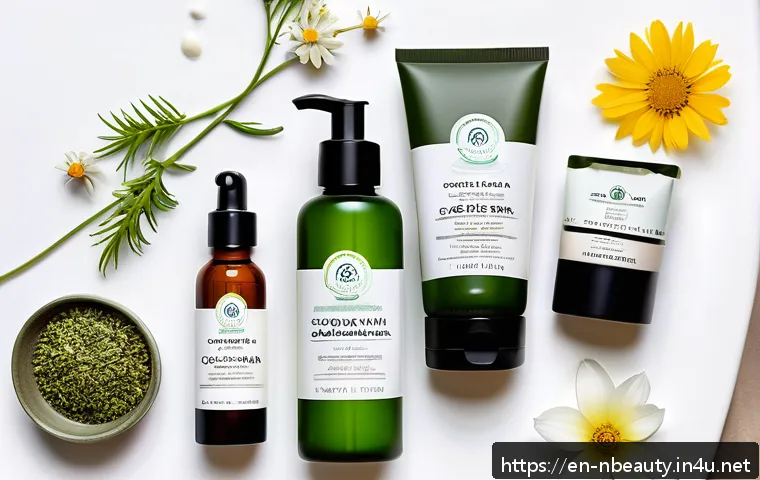
If natural skincare causes breakouts, burning, or redness, stop the suspected product and simplify your routine. Learn how to tell irritation from acne, when to seek medical care, and how to compare gentler replacements.

If a natural skincare product causes breakouts, burning, or redness, stop using the suspected product and return to a simple routine. “Natural” does not automatically mean gentle, non-comedogenic, or suitable for sensitive skin.
Do not add acne treatments, scrubs, or several replacement products while your skin is reacting. A fragrance-free skincare product with a shorter, easier-to-review ingredient list may be a more practical next choice, but severe or worsening symptoms need medical assessment.
The useful question is not whether a product is natural. It is whether its formula, texture, and ingredients suit your skin and whether the timing matches your reaction.
At a Glance
- Stop the suspected product and avoid introducing new treatments during a flare.
- Simplify your routine so it is easier to notice whether your skin is settling or worsening.
- Seek prompt medical care for burning, swelling, hives, blistering, facial swelling, or breathing difficulty.
| Option | May fit when | What to compare or monitor |
|---|---|---|
| Pause and monitor | The change is mild and there are no urgent warning signs. | Whether symptoms improve after stopping the suspected product and simplifying the routine. |
| Switch to a gentle replacement | You need a basic cleanser, moisturizer, or sunscreen while avoiding the suspected formula. | Fragrance-free labeling, essential oils, botanical blends, texture, ingredient list, and return policy. |
| Book a dermatologist visit | Changes are persistent, painful, widespread, worsening, or difficult to identify. | Bring product names, full ingredient lists, photos, and a timeline of what changed. |
First Steps When Your Skin Reacts to a New Botanical Product
Stop the suspected product and avoid adding new treatments
Pause the newest or most suspicious product first. This could be a botanical face oil, scented moisturizer, essential-oil blend, mask, cleanser, or sunscreen. Continuing to use it “just to see” can make the pattern harder to understand.
Avoid trying to fix the reaction with a new exfoliant, acne spot treatment, or detox routine. When several products change at once, it becomes difficult to tell whether you are dealing with clogged pores, irritation, an allergic reaction, or something unrelated to skincare.
Use a minimal routine while your skin settles
Keep the routine basic: a gentle cleanser if needed, a simple moisturizer, and sun protection that your skin has previously tolerated. The goal is not to create a perfect routine immediately. The goal is to remove unnecessary variables.
Choose formulas that are easy to compare. A fragrance-free skincare option with a short ingredient list may be easier to review than a product built around multiple extracts, aromatic oils, and active ingredients.
Warning signs that need urgent medical attention
Burning, swelling, hives, blistering, facial swelling, or breathing difficulty require prompt medical assessment. Breathing difficulty or severe swelling may require emergency care. Do not rely on product reviews or a patch test to judge an urgent reaction.
Is It a Breakout, Irritation, or an Allergy?
Acne-like bumps and clogged-pore patterns
Small bumps or acne-like changes may occur when a formula feels too rich, occlusive, or otherwise contributes to clogged pores. Introducing several products at once can also make a breakout pattern harder to trace. A product’s natural positioning does not establish that it is non-comedogenic for you.
Burning, itching, redness, and rash patterns
Burning, itching, visible redness, or a rash can point toward irritation or allergic contact dermatitis, but the exact cause cannot be confirmed from symptoms alone. Fragrance, essential oils, botanical extracts, preservatives, and rich oils can trigger reactions in some people.
Marketing terms such as hypoallergenic, clean, or natural are not a guarantee that a formula will suit sensitive or acne-prone skin.
Why timing and product placement matter
Write down when the skin change started, where it appeared, and which products touched that area. A reaction around the cheeks, eyelids, jawline, or hairline may provide useful context, but it still does not identify a specific ingredient without reviewing the complete formula and your individual history.
Compare Your Options: Pause, Replace, or See a Dermatologist
When a simple routine reset may be enough
A low-cost routine reset may be reasonable when symptoms are mild, stable, and improve after you stop the suspected product. Use only products you already know your skin tolerates where possible. This approach also prevents wasted spending on a cabinet full of “soothing” products that add more potential triggers.
When professional assessment may offer better value
A dermatologist or other qualified clinician may be worth considering when skin changes are persistent, painful, widespread, or worsening. Professional assessment can be especially useful when recurring rashes make it difficult to choose products confidently or when acne-like bumps do not improve after removing likely triggers.
What to bring or document for a skin appointment
Bring the products, photos of the reaction if available, and the full ingredient lists. Note when you began each product, how often you used it, where you applied it, and whether you introduced other skincare or cosmetic items at the same time.
A Low-Risk Routine Reset and Common Mistakes to Avoid
Keep cleansing, moisturizing, and sun protection gentle
During a flare, prioritize simple formula types over novelty. A cleanser should not leave your skin feeling aggressively stripped. A moisturizer does not need a long botanical story to be useful. For sunscreen, compare the ingredient list and texture with products your skin has handled well before.
Avoid scrubs, strong acids, retinoids, and essential-oil blends during a flare
Harsh exfoliation and strong actives can add irritation when your skin barrier already feels unsettled. Avoid assuming that burning means a product is “working” or that a breakout must be a detox phase. Those assumptions can delay a safer decision.

Do not test several replacement products at once
Introduce one new product at a time. Patch testing a small area before full-face use can help identify some reactions, but it does not guarantee tolerance. If your skin reacts, stop and reassess rather than layering another product over it.
How to Choose a Replacement Product for Sensitive or Acne-Prone Skin
Review fragrance, essential oils, and complex botanical blends
Start by reading the ingredient list rather than relying only on front-label claims. If fragrance, essential oils, or complex botanical blends were present in the product you suspect, consider a simpler fragrance-free replacement. This does not prove those ingredients caused the reaction; it simply reduces variables in your next comparison.
Compare formula type, ingredient list, package size, and price per use
Compare a lightweight lotion, cream, balm, gel, or oil based on how your skin tends to respond to richer textures. Then compare package size and price per use, not just the shelf price. A lower-priced, straightforward formula can be a better value than a premium natural label if it is easier to tolerate and replace.
Patch-test carefully and introduce one product at a time
Use a small-area patch test before full-face use when possible. Monitor for discomfort or visible changes, then introduce only one replacement product at a time. Keep the packaging and receipt when available, and review the retailer’s return policy before buying a larger size.
How to Choose a Replacement Cleanser, Moisturizer, or Sunscreen
For a cleanser: Compare fragrance-free options, the full ingredient list, and whether the formula feels unnecessarily harsh for your current skin condition.
For a moisturizer: Compare texture, rich oils, botanical extracts, fragrance, package size, and price per use. A simple formula may be easier to troubleshoot later.
For sunscreen: Compare ingredient lists, texture, and prior tolerance rather than assuming one marketing claim fits every sensitive or acne-prone skin type.
Before purchasing, check the product page for the full ingredient list, package size, return conditions, and whether the seller provides clear product information.
Selection Criteria and Comparison Summary
Before buying again, use this short checklist:
- Mild sensitivity: prioritize a simple, fragrance-free formula and introduce it alone.
- Frequent breakouts: compare texture and rich or occlusive-feeling formulas; avoid changing your entire routine at once.
- Recurring rashes: consider professional assessment instead of repeatedly purchasing new “sensitive skin” products.
- Value: compare package size and price per use, not a premium natural label alone.
- Safety: check the full ingredient list and return policy before committing to a larger product.
A lower-priced, simpler formula may be the more sensible choice when your main goal is identifying what your skin can tolerate.
In Closing
A reaction after natural skincare does not mean every natural product is unsuitable. It does mean the current formula deserves a pause and a careful review. Keep your routine simple, avoid adding multiple treatments, and use symptom severity to decide whether monitoring, replacement shopping, or medical care is the right next step.
Useful Things to Know
Natural is not a sensitivity guarantee. Fragrance, essential oils, extracts, preservatives, and rich oils can be relevant for some people.
One change at a time is easier to evaluate. It reduces guesswork and unnecessary spending.
Patch testing has limits. It can be helpful, but it cannot promise that a product will be tolerated on the full face.
Important Notes
This information cannot diagnose acne, irritant contact dermatitis, allergic contact dermatitis, infection, or another skin condition. The exact trigger and recovery time vary by person and cannot be confirmed from a product label alone. Persistent, painful, widespread, or worsening skin changes should be assessed by a dermatologist or another qualified clinician.
Frequently Asked Questions
Q1. Should I stop using all natural skincare products if one product causes breakouts?
A1. Not necessarily. Stop the suspected product first and simplify your routine. One reaction does not prove that every natural skincare product will cause the same issue, but it is sensible to compare fragrance, essential oils, extracts, and formula texture before trying another product.
Q2. Is it worth paying more for fragrance-free skincare if I have sensitive skin?
A2. Fragrance-free may be a useful selection criterion, but a higher price does not guarantee suitability. Compare the complete ingredient list, texture, package size, price per use, and return policy. A simpler lower-priced formula may be the better choice if it gives you fewer variables to manage.
Q3. How long should I wait before seeing a dermatologist for a rash or acne-like reaction?
A3. Seek prompt assessment for burning, swelling, hives, blistering, facial swelling, or breathing difficulty. For other skin changes, professional assessment is appropriate when they are persistent, painful, widespread, or worsening, or when you cannot identify a safe next step after stopping the suspected product.